


More Support for Your Motherhood Journey






Ice or Heat for a Clogged Milk Duct? What the Latest Guidance Says
That tender little lump shows up, and your first thought is: warm compress or ice pack? Here's the thing, the answer has actually changed, and a lot of the advice still floating around is outdated. Let's clear up whether to reach for ice or heat on a clogged milk duct, plus the common mistake that quietly makes it worse.

You feel it before you see it. That tender little lump, that ache in one spot, that "uh oh" feeling that a clogged duct might be moving in. And if you're anything like most of us, your very next thought is: ice or heat for a clogged milk duct?
Here's where it gets confusing. Maybe your mom told you to use heat. Maybe a hospital pamphlet said the same. But the guidance has actually changed in recent years, and a lot of the advice still floating around out there is a little… outdated.
So let's clear it up!

First, what's actually happening with a clogged duct?
A clogged (or "plugged") duct is exactly what it sounds like: milk gets backed up in one area of your breast and can't flow out the way it should. The result is usually a firm, tender lump, some localized soreness, and sometimes a little redness on the skin above it.
The important thing to understand is this: a clog isn't just "stuck milk" you need to force out. There's usually some swelling and inflammation in the surrounding tissue too, and that swelling is a big part of why the milk can't move. This one detail changes everything about how you should treat it, so hang onto it.
Ice or heat for a clogged milk duct? The short answer.
Reach for cold, not heat.
That might feel backwards if you've always heard "apply a warm compress," but here's the reasoning: since inflammation and swelling are a major part of the problem, cold helps calm that swelling down, which makes room for your milk to start flowing again. Ice is your anti-inflammatory bestie here.
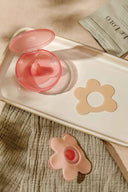
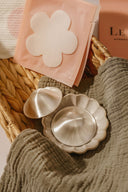
A cool compress or a chilled breast therapy pack, held gently over the sore area for a few minutes at a time between feeds, can bring real relief without stirring things up further.
Heat, on the other hand, can actually increase inflammation and swelling for a lot of moms, which is the opposite of what you want when tissue is already puffy and angry.
So is heat ever okay?
Yes, but with a very specific job.
A brief bit of gentle warmth right before a feed or pump, think a minute or two, can help encourage your letdown so milk starts moving more easily. That's different from parking a hot compress on an inflamed lump for twenty minutes and hoping it melts the clog. It won't, and it may make the swelling worse. (Our lactation breast massager's heat setting is perfect for this!)
The simple rule of thumb:
- Gentle warmth = a quick nudge to get letdown going before baby latches.
- Cold = your go-to for calming swelling and soreness the rest of the time.
When in doubt? Cold wins.
The mistake that makes clogs worse (please don't do this)
We know the internet loves to tell you to aggressively massage a clogged duct, or to break out your lactation massager on the highest setting and really dig in. We get the instinct. When something's stuck, you want to push it out.
But current guidance actually cautions against deep, forceful massage and aggressive vibration on an active clog, because pressing hard on already-inflamed tissue can cause more swelling, more irritation, and more pain. You can genuinely make the whole situation worse.
Instead, think gentle:
- Use light, feather-soft strokes
- If you like a little movement over the breast during a feed, keep it soft and slow, gliding toward the nipple to encourage flow. Low and gentle, never jackhammer.
- Let cold, rest, and normal feeding do most of the heavy lifting.
Your breast tissue is delicate right now. Treat it like you'd want to be treated: gently.
What actually helps a clogged duct clear (the calm approach)
Here's your no-stress, current-guidance game plan:
- Feed or pump normally, on your usual schedule. Nurse on the sore side when you can, but resist the urge to "pump it dry" over and over. Over-emptying tells your body to make even more milk, which can feed the whole cycle. Aim for comfort, not total emptiness.
- Use cold between feeds to calm swelling and ease the ache. A chilled therapy pack tucked into your bra is an easy win.
- Keep movement gentle with those light strokes
- Rest and hydrate. Boring advice, we know. But run-down, dehydrated, and skipping feeds is the perfect storm for clogs. Be kind to yourself.
- Loosen up. Tight bras, underwire, or a bag strap pressing across your chest can all contribute. Give the girls some breathing room.
What about sunflower lecithin?
If you're someone who gets clogs over and over, this one's for you. Sunflower lecithin is a gentle supplement many moms use to help keep milk from getting sticky and thick, which can make ducts less prone to clogging in the first place.
It won't "unclog" a duct in the moment, but as a preventative, it's a quiet little hero for recurrent-clog moms. (As with any supplement, it's worth a quick check-in with your provider or IBCLC to make sure it's right for you.)
When it's time to call in backup
Most clogs ease up within a day or two of the calm, cold, gentle approach. But please don't tough it out if things take a turn. Reach out to your doctor, midwife, or lactation consultant the same day if you notice:
- A fever, chills, or flu-like body aches
- Redness that's spreading or getting warmer
- Severe or worsening pain
- No improvement after about 24 to 48 hours
These can be signs that a clog is tipping into mastitis, which sometimes needs medical treatment. Asking for help early isn't dramatic, it's smart. You deserve support, not a solo struggle.
Frequently Asked Questions
How long does a clogged milk duct take to clear?
Most clogs ease up within 24 to 48 hours with cold therapy, gentle movement, and normal feeding. If yours isn't improving in that window, or you develop a fever, it's time to check in with your provider.
Should I pump more to clear a clogged duct?
No, and this one surprises a lot of moms. Over-pumping to "empty" the breast tells your body to make even more milk, which can actually feed the cycle. Feed or pump on your normal schedule and aim for comfort, not total emptiness.
Is heat ever okay for a clogged duct?
Only briefly. A minute or two of gentle warmth right before a feed can help your letdown, but parking a hot compress on an inflamed lump can make swelling worse. For everything else, reach for cold.
Can a clogged duct turn into mastitis?
Yes. An untreated clog can progress to mastitis, which sometimes needs medical care. Call your provider the same day if you notice a fever, chills, body aches, or redness that's spreading or getting warmer.
What helps prevent clogged ducts if I keep getting them?
Staying hydrated, feeding regularly, avoiding tight bras, and, for many recurrent-clog moms, a daily sunflower lecithin supplement can all help. Chat with your provider or IBCLC about what's right for you.
Final thoughts for you, mama:
Clogged ducts are one of those breastfeeding curveballs nobody really warns you about, and they always seem to show up at 2 a.m. when you're already running on fumes. But the fix is gentler than you've been led to believe: cool it down, keep it moving softly, feed like normal, and rest.
No forcing. No jackhammering. No hot-compress marathons. Just calm, current, mom-approved care, for a body that's doing something pretty extraordinary.
You've got this. And when you need a little backup in your bra, we've got you.
Keep a set of our Breast Therapy Packs on hand for exactly these moments, they go from freezer to bra in seconds. And if you're a recurrent-clog mama, our Sunflower Lecithin is a gentle daily helper worth keeping in the cabinet.
Questions? Slide into our DMs @wearelelolo, we're always here, mom to mom.
Shop This Solution
Support your clogged-duct care gently
Use cold therapy for swelling, keep a gentle clogged-duct tool nearby, and ask your provider whether Sunflower Lecithin is right for you.
|
Breast Therapy Packs Shop Packs → |
Clogged Duct Set Shop the Set → |
Sunflower Lecithin Shop Lecithin → |


