

More Support for Your Motherhood Journey








How to Prepare for Breastfeeding While Pregnant: 7 Things to Do Before Baby Arrives
How to prepare for breastfeeding while you’re still pregnant: IBCLC Brianne Taggart shares seven simple steps, from prenatal classes to building your support team, so those first feeds feel calmer and more confident.

Written by Brianne Taggart, RN, IBCLC, founder of Breezy Babies Lactation Group | November 2026
You’re preparing the nursery, washing tiny baby clothes, and probably researching more baby products than you ever imagined existed. But have you thought about how to prepare for breastfeeding?
Many expecting moms spend months preparing for labor and delivery, only to discover that breastfeeding comes with its own learning curve.
Here’s something I wish every pregnant mom knew: Breastfeeding is natural, but that doesn’t mean it always comes naturally.
The good news? You don’t have to wait until your baby arrives to start learning.
As an International Board Certified Lactation Consultant (IBCLC), I’ve supported countless families through their breastfeeding journeys. And one of the biggest differences I see is how much confidence a little preparation can bring.
Here are seven things you can do during pregnancy to prepare for breastfeeding and make those early days a little easier.
1. Take a Prenatal Breastfeeding Class
You wouldn’t necessarily walk into childbirth without learning what to expect. Breastfeeding deserves that same preparation!
A prenatal breastfeeding class can teach you:
- How breastfeeding works and how milk production begins
- What a good latch looks and feels like
- How often newborns need to eat
- Common breastfeeding positions
- How to recognize early feeding cues
- When to ask for help
Look for a class taught by an IBCLC or another qualified breastfeeding educator.
Pro tip: Consider taking your breastfeeding class during your second or third trimester. Bring your partner or support person, too!
2. Understand What’s Normal During the First Few Days
One of the biggest reasons new moms worry about breastfeeding is that they don’t know what’s normal.
For example, did you know your baby may want to breastfeed 8 to 12 times or more in 24 hours?
Or that your body produces small amounts of colostrum starting in your second trimester before transitioning to larger volumes of milk after delivery?
Frequent feeding doesn’t automatically mean you aren’t making enough milk. Newborns have small stomachs, and feeding often helps establish your milk supply.
Understanding newborn feeding patterns ahead of time can prevent unnecessary stress.
Just remember that frequent feeding should still be effective feeding. Your baby’s swallowing, diaper output, weight, and overall health help determine whether they’re getting enough.
3. Learn the Basics of a Good Breastfeeding Latch
A comfortable, effective latch is one of the most important parts of breastfeeding.
When your baby is latched deeply, they can transfer milk more effectively, and you’re less likely to experience nipple pain or damage.
A few signs of a good latch include:
- Your baby’s mouth opens wide around the breast.
- Their chin (not their nose) rests against your breast.
- Their body faces yours.
- You notice rhythmic sucking and swallowing.
- Breastfeeding feels comfortable rather than pinchy or painful.
You don’t have to master breastfeeding positions before delivery. Simply becoming familiar with what an effective latch looks like can help you recognize when you need assistance.
4. Build Your Breastfeeding Support Team Before Baby Arrives
One of the best things you can do during pregnancy is figure out who you’ll call if breastfeeding becomes challenging.
Your support team might include your partner, family members, your baby’s pediatrician, and an IBCLC.
An IBCLC is a healthcare professional with specialized training in breastfeeding and lactation care.
They can help with painful latching, milk supply concerns, pumping, bottle feeding, and many other feeding challenges.
I recommend finding an IBCLC before delivery rather than searching for one at 2am when you’re exhausted and worried about your newborn.
You can also check your insurance benefits ahead of time. Many plans cover lactation consultations, although coverage and network requirements vary. Check your benefits here.
5. Talk to Your Partner About Breastfeeding Expectations
Breastfeeding may involve your body, but it shouldn’t mean you’re responsible for everything.
Before baby arrives, have a conversation about what support might look like.
Maybe your partner can refill your water, bring you snacks, handle diaper changes, or help with burping and settling the baby after feedings.
It’s also helpful to discuss how you’ll respond if breastfeeding doesn’t go according to plan.
Will you reach out for professional help? What are your feeding priorities? How can you support each other when you’re both tired?
These conversations can make a big difference during those emotional early days.
6. Keep Your Breastfeeding Supplies Simple
You don’t need a closet full of breastfeeding gadgets to get started.
A few helpful items include:
- Comfortable nursing bras
- Breast pads
- A large water bottle
- Easy snacks you can eat with one hand
- A breast pump (often covered by insurance)
You can always add to your breastfeeding supplies as you discover what works best for you and your baby.
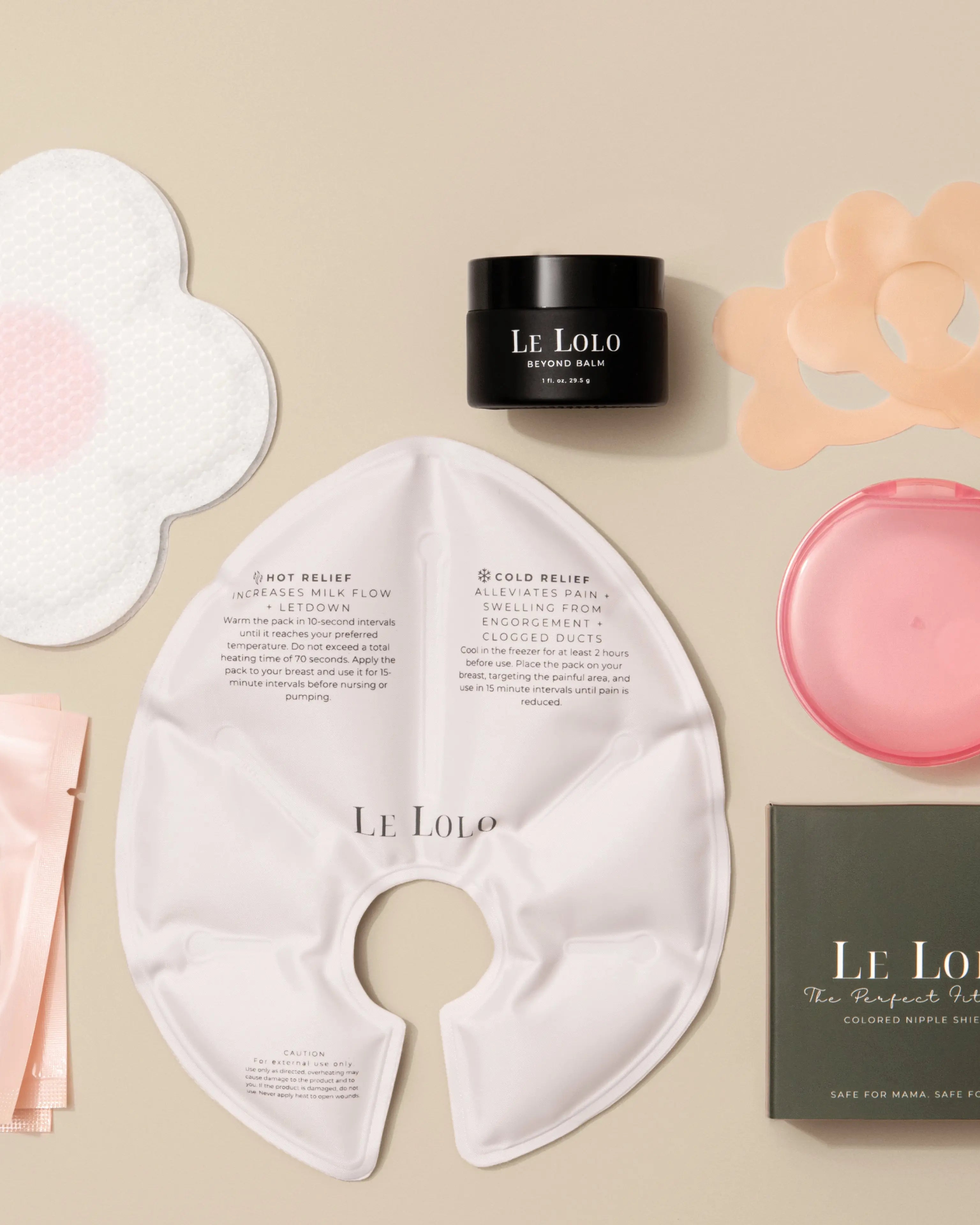
Remember, there’s no single approach that works for everyone! Some moms benefit from additional tools like nipple shields, while others may never need them. Having access to the right resources and support can make all the difference.
The most important breastfeeding essentials? Knowledge, confidence, and knowing where to turn when you need help.
7. Schedule a Prenatal Lactation Consultation
Here’s one of my favorite recommendations for expecting moms: meet with a lactation consultant before your baby arrives.
A prenatal lactation consultation is an opportunity to discuss your feeding goals, ask questions, and create a personalized plan.
This can be especially helpful if you:
- Had breastfeeding difficulties with a previous baby
- Have a history of breast surgery
- Are expecting twins or multiples
- Have concerns about milk production
- Have diabetes, PCOS, or another condition that may affect breastfeeding
- Simply want to feel more confident
You don’t need to have a problem to benefit from lactation support.
In fact, preparing before challenges arise is one of the smartest things you can do.
Your Breastfeeding Journey Starts Before Birth
Preparing for breastfeeding doesn’t mean you need to know everything before your baby arrives.
It means understanding the basics, knowing what to expect, and surrounding yourself with people who can help.
There will still be a learning curve. That’s normal! You and your baby are learning something new together.
Give yourself permission to ask questions, adjust your expectations, and seek support whenever you need it.
The goal isn’t perfect breastfeeding. It’s a supported, confident beginning.

Frequently Asked Questions About Preparing for Breastfeeding
When should I start preparing for breastfeeding?
The second or third trimester is a great time to take a prenatal breastfeeding class, research lactation support, and learn about newborn feeding.
Do I need to prepare my nipples before breastfeeding?
No. You don’t need to toughen, scrub, or stretch your nipples before birth. These practices can cause unnecessary irritation.
Should I buy a breast pump before my baby arrives?
It’s helpful to research your options and insurance coverage, but not every mom needs to pump immediately after delivery.
Can I see a lactation consultant while pregnant?
Yes! Prenatal lactation consultations can help you prepare for breastfeeding, discuss concerns, and create a personalized feeding plan.
Does breastfeeding always hurt at first?
Breastfeeding may feel unfamiliar or cause brief tenderness, but ongoing pain, pinching, or nipple damage isn’t something you should simply tolerate. An IBCLC can help identify the cause.
Continue Learning: Your Prenatal Breastfeeding Guide
Up next: [Breastfeeding Latch 101: What Every Pregnant Mom Should Know Before Birth](INSERT LINK)
Explore the complete five part prenatal breastfeeding series to learn about preparing your body, your baby’s first feedings, and the essentials worth buying.
Brianne Taggart is a lactation expert, mom of four and founder of Breezy Babies Lactation Group, one of the largest private practice lactation groups in the United States. Breezy Babies supports families both in home and via telehealth, working with parents locally and worldwide to make feeding feel calmer, more confident, and more breezy.
Let’s Keep the Support Going:
- Visit us online: Breezy Babies for more breastfeeding resources and freebies.
- Get personalized lactation support: Text us anytime at 801‑513‑3255 or check your insurance coverage for in home or telehealth lactation consultations.
- Grab your FREE Nipple Ruler: Download our free nipple ruler to help measure your nipples and find a more comfortable breast pump flange fit.
- Follow us on Instagram: @breezy__babies for breastfeeding tips, education, and encouragement.


