

More Support for Your Motherhood Journey
Breastfeeding Hospital Bag Checklist: What to Pack for Your First Feeds
Getting ready for your baby's arrival? This breastfeeding hospital bag checklist covers everything you need for your first feeds, from nursing bras and nipple balm to nursing pads and cooling essentials. Plus, discover what the hospital provides, what you can leave at home, and how Raising Intentionally can help you prepare for birth and navigate those first weeks of motherhood.
Written by Kristen | founder of Raising Intentionally, the best learning app for new moms | November 2026
Preparing for a breastfeeding journey? This breastfeeding hospital bag checklist covers what to pack for your first latch, sore nipples, early milk leaks and postpartum comfort, plus what the hospital typically provides so you don't pack things twice.
Most hospital bag checklists cover the basics: a robe, phone charger and going-home outfit. But if you plan to breastfeed, there are a few additional breastfeeding essentials worth packing before your due date.
Your first feeds often happen within hours of birth, and having a few thoughtful items on hand can make those early moments more comfortable. From nipple balm and nursing pads to cooling pads and comfortable nursing bras, the right supplies can help you feel a little more prepared.
This breastfeeding hospital bag checklist covers what to pack for your first latch, sore nipples, early milk leaks and your own comfort, along with what the hospital typically provides and what you can leave at home.
As you get ready to meet your baby, having a place to keep everything organized can make the weeks leading up to delivery feel a little less overwhelming. Raising Intentionally is a pregnancy and parenting app designed to help you prepare for birth, organize your registry and follow your baby's development as your family grows.
A Quick Word About the First Few Days
A couple of things are helpful to understand when deciding what breastfeeding supplies to pack.
Before your mature milk comes in, your body produces colostrum. This early milk arrives in small amounts, which is exactly what your newborn needs in those first days. Your milk volume typically increases around two to five days after birth, although timing varies from person to person.
Most hospital stays are relatively short, often one to two days after a vaginal birth and two to four days after a cesarean. For many families, the fuller, leakier and more tender days begin shortly after arriving home.
That means you don't need to pack your entire breastfeeding supply. Bring a few essentials for your hospital stay and keep the larger supply of nursing pads, breast therapy packs and other postpartum products at home.
Newborns also feed frequently, typically 8–12 times in a 24-hour period. That's a lot of time spent feeding, which is why a few thoughtful comfort items can make a difference.
A little help with the planning: If you're still preparing for your baby's arrival, Raising Intentionally's pregnancy tracker helps you follow your pregnancy week by week, keep track of your due date and organize important preparations, including your birth plan and hospital bag checklist. It's a helpful way to keep all those little details in one place.
What Does the Hospital Usually Provide?
Before packing your entire bathroom cabinet, check with your hospital to see what is already included. Every maternity unit is different, but many hospitals provide:
-
Mesh postpartum underwear, large pads and a peri bottle
-
Ice packs for postpartum recovery
-
Diapers, wipes and swaddle blankets for baby
-
Access to a hospital-grade breast pump if needed
-
Sometimes a small tube of nipple cream
What hospitals may not have are the personal breastfeeding and comfort items you've chosen for yourself. That's where your hospital bag comes in.
Your Breastfeeding Hospital Bag Checklist
Think of your breastfeeding hospital bag as five small groups of essentials. Aim to have everything packed and by the door around 36 weeks of pregnancy.
Keep your breastfeeding supplies together in a small pouch so they're easy to find and can sit on your hospital tray instead of getting lost at the bottom of a larger bag.
If you like having a checklist to work from, Raising Intentionally also offers a hospital bag checklist within its pregnancy tools. You can use it alongside this breastfeeding-specific list to keep track of what you've purchased, packed and still need to pick up.
1. What to Pack for Your First Latch
Your first breastfeeding sessions are a learning experience for both you and your baby. A few comfortable, easy-to-access items can help make those early feeds a little easier.
Add these to your hospital bag:
-
Two or three nursing bras or tanks. Look for soft, comfortable styles with front openings and no underwire.
-
A front-opening top or robe. Something easy to open makes skin-to-skin contact and breastfeeding more convenient.
-
Nipple shields, just in case. These aren't necessary for everyone, but if your lactation consultant recommends one, having the right size available can be helpful.
-
Your nursing pillow, if you already love it. Hospital pillows can work just fine, so leave yours at home if space is limited.
-
A list of questions for your lactation consultant. Keep a note on your phone so you remember what you want to ask before discharge.
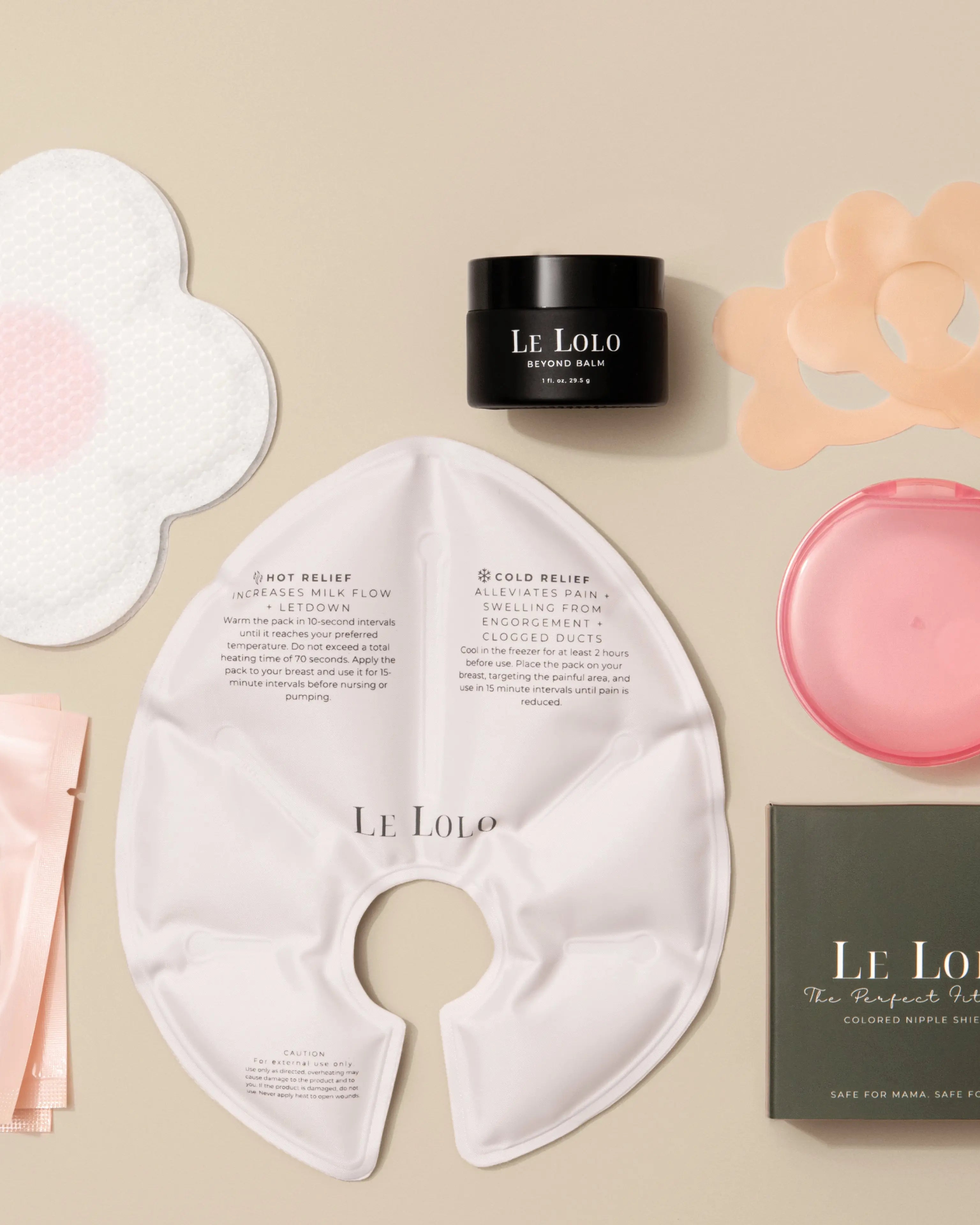
Our Pick: Le Lolo's Perfect Fit Kit Nipple Shield Set
Finding the right nipple shield size can make a difference when one is recommended for your breastfeeding journey. Le Lolo's Perfect Fit Kit includes all three shield sizes (16mm, 20mm and 24mm), so you can work with your lactation consultant to find the right fit rather than guessing before baby arrives.
It also includes a reusable sticker designed to help keep the shield in place.
Before your hospital bag is even packed, take a look at Le Lolo's Breastfeeding Latch 101 resource, written with IBCLC Brianne Taggart. It's a helpful resource to read during your third trimester as you prepare for those first breastfeeding sessions.
2. What to Pack for Sore Nipples
Your nipples are getting used to something entirely new, and the first few days of breastfeeding can come with tenderness.
Having a few soothing products on hand can help you feel more comfortable between feeds.
Add these to your hospital bag:
-
Nipple balm. A nourishing balm to apply after feeds when your skin feels dry or tender.
-
Cooling gel pads. Helpful for soothing tender nipples between breastfeeding sessions.
-
Silver nursing cups. An optional addition if you want something to rest over your nipples between feeds and reduce friction from clothing.
Some tenderness can happen as you and your baby learn to breastfeed, but breastfeeding should not be consistently painful. Pain that continues throughout a feed, cracked or bleeding nipples, or difficulty getting a comfortable latch are worth discussing with your lactation consultant.
A small adjustment to positioning or latch may help.
Our Picks:
Le Lolo Beyond Balm | Organic Nipple Balm
A lanolin-free nipple balm made with organic ingredients. It can also be used on dry lips and hands, making it a versatile addition to your hospital bag.
Soft, cooling gel pads designed to sit inside your bra between feeds. They're reusable, making them a convenient addition to your breastfeeding essentials.
Made with pure silver, these small nursing cups rest over your nipples between feeds, helping protect tender skin from rubbing against clothing. Available in two sizes.
3. What to Pack for Breast Leaks and Milk Coming In
Your milk volume can increase in the days following birth, and you may begin experiencing leaking, fullness or breast tenderness.
You probably won't need a full supply of nursing pads during your hospital stay, but packing a few can be helpful.
Add these to your hospital bag:
-
Disposable nursing pads. Pack a handful in case you experience early leaking.
-
Hot and cold breast therapy packs. Gentle warmth before feeding may help with comfort and milk flow, while a cool pack afterward may help soothe swelling and tenderness. Follow the product's directions for use.
-
A spare top. Because leaks happen, and having an extra shirt is always a good idea.
Our Picks:
Le Lolo Disposable Nursing Pads
Flower-shaped disposable nursing pads with a full adhesive backing to help keep them comfortably in place throughout the day. They're thin and designed to fit discreetly inside your bra.
Le Lolo Hot & Cold Breast Therapy Packs
Teardrop-shaped gel packs designed to curve around the breast, with a soft built-in cover against your skin. Warm them before a feed or chill them afterward, following the product instructions.
4. What to Pack for Yourself Between Feeds
Your hospital bag shouldn't be entirely about baby. You're going to be spending plenty of time feeding, resting and recovering, so don't forget a few things that make you comfortable, too.
Add these to your hospital bag:
-
A large water bottle with a straw. Many moms find themselves thirsty while breastfeeding, and a straw makes it easier to drink one-handed.
-
One-handed snacks. Granola bars, nuts and dried fruit are easy to keep nearby when you're hungry between feeds.
-
A hair tie or scrunchie. Keep it on your wrist so you can move it to the side you last fed on as a reminder.
-
Lip balm. Hospital air can feel especially dry.
-
Your phone and a long charging cable. You'll want to be able to reach your phone while resting in bed.
Our Picks:
Le Lolo Breastfeeding Reminder Scrunchie
A soft satin scrunchie you can wear on the wrist corresponding to the side you last breastfed on. One less thing to remember during those middle-of-the-night feeds.
5. How to Organize Your Breastfeeding Hospital Bag
One of the simplest things you can do before heading to the hospital is keep all your breastfeeding essentials together.
Instead of digging through your entire hospital bag every time you need something, use a small pouch to organize your nipple balm, nursing pads, nipple shields and lip balm.
Our Pick: Le Lolo Mama Vegan Leather Bag
A soft vegan leather exterior with a waterproof interior and four side pockets to keep smaller essentials organized. After your hospital stay, it can move right into your diaper bag.
Keep Your Pregnancy and Hospital Preparations Organized with Raising Intentionally
Getting ready for a baby involves so much more than packing a hospital bag. Between prenatal appointments, preparing the nursery, choosing baby essentials and getting everything ready for your hospital stay, it's easy to feel like there's always something else to do.
That's where Raising Intentionally comes in.
Created by Kristen, Raising Intentionally is a pregnancy and parenting resource designed to help families feel more prepared and confident from pregnancy through childhood. The app brings together pregnancy tracking, baby preparation tools, a shareable registry and practical resources for the years that follow.
Here's how to use it as you prepare for your baby's arrival:
Follow your pregnancy week by week. Use the pregnancy tracker to see how your baby is developing, follow your due date countdown and keep up with what's happening throughout each trimester.
Prepare for delivery. Keep your birth plan, hospital bag checklist and homecoming preparations organized in one place. Rather than relying on scattered notes and saved social media posts, you can use the app as your central planning space.
Build your baby registry. Browse more than 200 thoughtfully selected items, explore curated collections and add products from different stores. Share your registry with friends and family so everyone knows what you actually need.
Get ready for life after delivery. Once your baby arrives, the app transitions with you. Log nursing sessions, bottles, diaper changes and sleep, and keep track of your baby's development and milestones.
The best part? You don't have to figure everything out at once. Raising Intentionally is designed to grow with your family, so the tools you use during pregnancy can continue supporting you long after you've left the hospital.
Explore Raising Intentionally or download the free app:
Download on the Apple App Store | Get it on Google Play
Or Pack It All in One Box
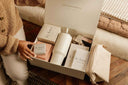
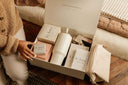
If you'd rather not piece together your breastfeeding hospital bag essentials individually, Le Lolo offers thoughtfully curated breastfeeding sets that bring many of these products together.
Two options worth considering:
The Essentials Breastfeeding Set
Most of this checklist in one convenient set. It covers the first latch, nipple soreness and early milk leaks, bringing together some of the most useful breastfeeding essentials for new moms.
Inside:
-
The Perfect Fit Kit Nipple Shields, including all three sizes
-
Disposable nursing pads
-
Hydrogel cooling pads
-
Hot & Cold Breast Therapy Packs
-
Beyond Balm Organic Nipple Balm
The Ultimate Breastfeeding Set
A more complete collection of Le Lolo breastfeeding and postpartum essentials, packed in a linen keepsake box that you can fill with baby's first things later. A thoughtful option for your baby registry or a special gift for an expecting mom.
Inside:
-
Everything in the Essentials Breastfeeding Set
-
Nipple shield stickers and a lactation massager
-
Reusable nursing pads and silver nursing cups
-
A lactation roller
-
A feeding scrunchie and postpartum journal
-
The Mama bag, a waterproof pouch and a 40oz tumbler
Explore both sets at Le Lolo to find the collection that works best for your needs.
A Little Something Extra in Your Welcome Box
Every Raising Intentionally Welcome Box includes a $20 Le Lolo gift card.
The Welcome Box is available to Plus yearly and lifetime members who are expecting or whose baby was born within the last three months. It's one per family and ships free to US addresses once the free trial becomes a paid membership. Visit Raising Intentionally to learn more about the app and membership.
A Few More Ways to Shop Le Lolo
Not planning to breastfeed, or shopping for a friend? The Every Mama Set focuses on caring for mom rather than feeding.
Only want a few pieces? Le Lolo's Build Your Set lets you save 10% when you choose three items and 15% when you choose five or more.
Have HSA/FSA funds available? Many Le Lolo products, including the Essentials Breastfeeding Set, are marked HSA/FSA eligible on the website. Check your individual plan and product eligibility before purchasing.
You can also explore Le Lolo's complete breastfeeding set comparison guide to see what's included in each collection.
What to Leave Out of Your Breastfeeding Hospital Bag
It's easy to overpack, especially when you're preparing for something as exciting as meeting your baby. But you probably don't need to bring everything you use at home.
Here are a few things you can often leave behind:
-
Bottles and formula, unless you plan to use them or your care team has recommended bringing them. Your hospital can help you understand feeding options if supplementation is needed.
-
Your entire supply of nursing pads. Pack a few for the hospital and leave the rest at home for when your milk volume increases.
-
Your breast pump, unless you plan to pump early or have been advised to bring yours. Many hospitals have hospital-grade pumps available if needed. If you bring your own, ask your lactation consultant to check your flange fit before going home.
Remember, your hospital bag doesn't need to contain everything you'll ever need for breastfeeding. You can always add to your supplies once you're home and have a better idea of what works for you.
What No Hospital Bag Can Pack
The things that often make the biggest difference during those first breastfeeding sessions aren't things you can buy or fit into a bag.
A few reminders as you prepare:
-
Ask for the lactation consultant early. And don't hesitate to ask for help again before you leave. Find out who you can contact once you're home, too.
-
Enjoy skin-to-skin time. Hold your baby against your chest as much as you can, when it's safe and appropriate for you and your baby.
-
Learn your baby's early hunger cues. Rooting, bringing hands to the mouth and other feeding cues can appear before crying.
-
Give yourself permission to rest. You don't have to do everything yourself. Let someone else hold the baby while you take a break.
And remember, preparing for motherhood doesn't stop when you leave the hospital. Those first weeks are full of new routines, questions and little milestones that can be hard to keep track of when you're running on very little sleep.
Once your baby arrives, Raising Intentionally's daily care log makes it easy to record nursing sessions, bottles, diaper changes and sleep. You can also follow your baby's milestones and access weekly development plans with age-appropriate ideas to help you connect, play and grow together.
As your baby gets older, the app continues to offer Montessori-inspired activities, development guidance, curated toy recommendations and more resources to support your family through age six.
It's a helpful way to keep the important details together while giving yourself permission to enjoy the moments that don't need to be tracked.
Download Raising Intentionally for free on the App Store or Google Play.

Frequently Asked Questions About Breastfeeding Hospital Bags
What should I pack in my hospital bag if I plan to breastfeed?
Some helpful breastfeeding hospital bag essentials include two or three nursing bras, a comfortable robe, nipple balm, nursing pads, cooling pads and a water bottle. You may also want to pack nipple shields if recommended by your lactation consultant. Check with your hospital to see what breastfeeding supplies they already provide.
Do I need to bring my breast pump to the hospital?
Not necessarily. Many hospitals have hospital-grade breast pumps available for use during your stay if needed. If you anticipate pumping early or have specific feeding concerns, check with your hospital or lactation consultant before delivery.
When should I pack my breastfeeding hospital bag?
A good time to have your hospital bag ready is around 36 weeks of pregnancy. This gives you time to gather your breastfeeding essentials, organize your supplies and make sure everything is ready before your due date. You can also use the hospital bag checklist in the Raising Intentionally app to help keep track of your preparations.
Does the hospital provide breastfeeding supplies?
Many hospitals provide access to a hospital-grade breast pump if needed and may offer basic supplies like nipple cream. However, supplies vary by hospital. Call your maternity unit before your due date to find out what is included.
What breastfeeding supplies will I need after delivery?
Some useful breastfeeding essentials include nipple balm, nursing pads, comfortable nursing bras, cooling pads and a water bottle. Your needs may change as your milk comes in and you settle into a feeding routine at home.
Do I need nipple shields in my hospital bag?
Nipple shields aren't necessary for everyone. However, if your baby is having difficulty latching or your lactation consultant recommends using one, having access to the appropriate size can be helpful. Work with a lactation professional to determine whether a nipple shield is right for you and how to use it.
Is there an app to help me prepare for my baby and keep track of feedings?
Yes! Raising Intentionally is a pregnancy and parenting app that helps you prepare for delivery with a pregnancy tracker, hospital bag checklist, birth plan and baby registry. After your baby arrives, you can use the daily care log to track nursing, bottles, diapers and sleep, follow milestones and explore age-appropriate development plans. The app is free to download, with optional Plus features.
A Little More Preparation, A Little Less Stress
Pack your breastfeeding essentials, set your hospital bag by the door and then let it be. The first feeds are the two of you learning together.
You don't need to have everything figured out before your baby arrives. A few thoughtful things in your bag can make those early moments a little softer, and a little more comfortable.
And when the hospital stay is over, remember that you don't have to navigate every new stage on your own. Whether it's keeping track of feedings, noticing a new milestone or finding simple ways to support your baby's development, having the right resources can make everyday motherhood feel a little more manageable.
Because motherhood deserves care, too.
About Kristen
Kristen is the founder of Raising Intentionally, a motherhood and parenting resource she started during her third trimester while preparing for life with her first baby. What began as a personal deep dive into Montessori, child development and research-backed parenting grew into a blog and mobile app designed to help families navigate every stage from pregnancy through age six. As a mom herself, Kristen brings together thoughtful research, practical guidance and the realities of everyday motherhood to help parents feel more informed, prepared and confident as they grow alongside their children.
Explore Raising Intentionally and download the free app to follow your pregnancy, prepare for baby and find support for the journey ahead.


