

More Support for Your Motherhood Journey





Breastfeeding Tools Every Expecting Mom Should Know About (And When They Can Help)
Breastfeeding essentials for new moms, explained by IBCLC Brianne Taggart: when nipple shields can help, how to choose a breast pump and flange size, what milk collectors actually do, and the one resource every expecting mom should line up before delivery.
Written by Brianne Taggart, RN, IBCLC, founder of Breezy Babies Lactation Group, in collaboration with Le Lolo | November 2026
If you’re pregnant and planning to breastfeed, you’ve probably started noticing just how many products are sold as breastfeeding essentials for new moms.
Breast pumps, nipple shields, nursing pillows, milk collectors, nipple creams... the list goes on!
And if you’re a first time mom, it can be hard to know which breastfeeding essentials might actually make your life easier.
Here’s something I want every expecting mom to understand: Breastfeeding is natural, but that doesn’t mean you have to do it without tools or support.
Sometimes breastfeeding gets off to a smooth start. Other times, a little extra help can make a big difference.
As an International Board Certified Lactation Consultant (IBCLC) and mom of four, I’ve seen how the right breastfeeding tools can help families work through challenges and feel more confident.
Let’s explore six helpful breastfeeding tools, when they might come in handy, and how to prepare before your baby arrives.
1. Nipple Shields: A Helpful Tool for Breastfeeding Challenges
Let’s start with a breastfeeding tool that I think deserves a little more conversation: nipple shields!
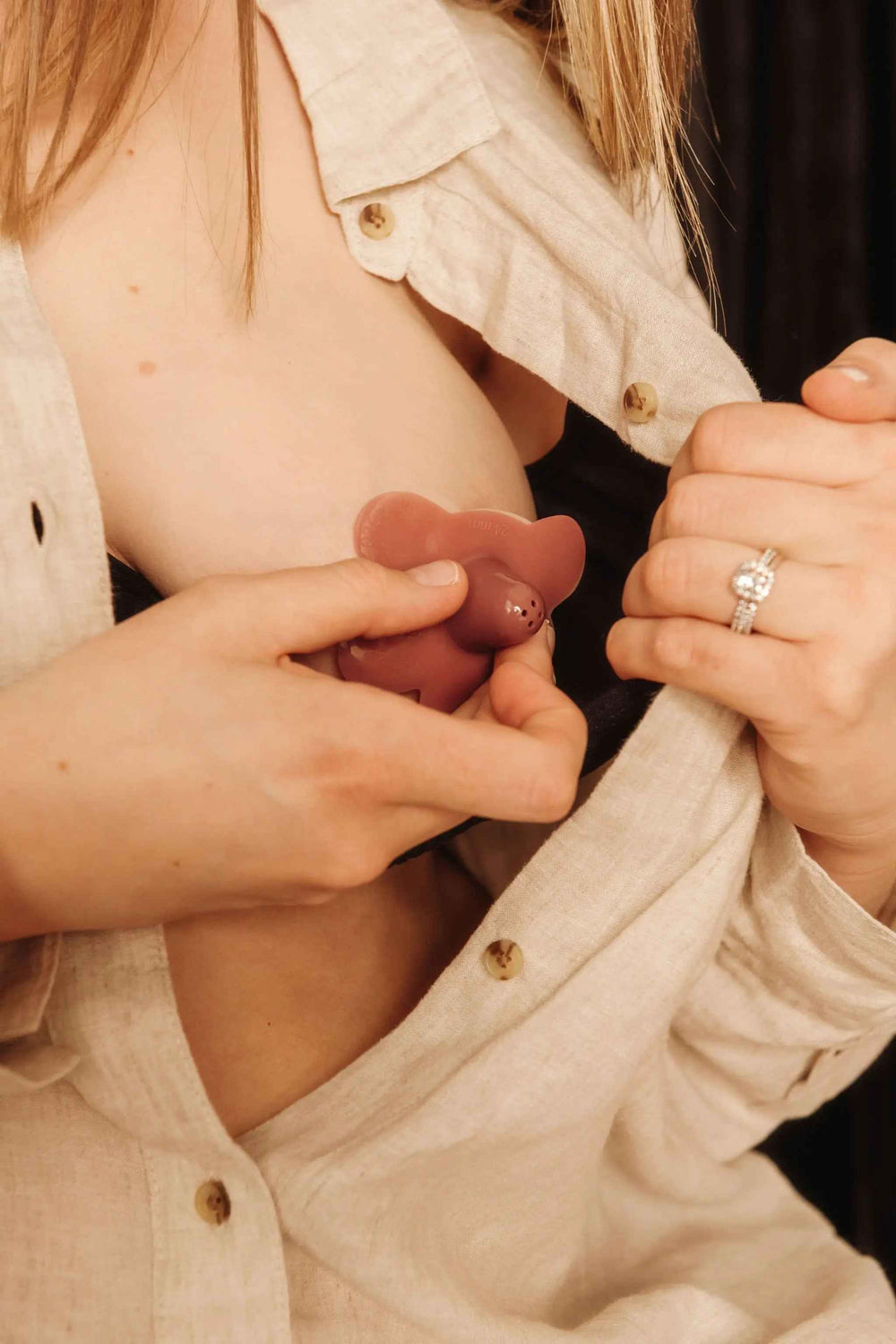
A nipple shield is a thin, flexible silicone covering that fits over the nipple during breastfeeding.
Nipple shields can be helpful in certain situations, especially when a baby is having difficulty latching or maintaining suction at the breast.
When Can a Nipple Shield Help?
Some situations where a nipple shield may be useful include:
- Babies who have difficulty latching or staying attached
- Certain premature or sleepy babies who need additional feeding support
- Specific situations where nipple pain or damage makes direct breastfeeding difficult
Nipple shields can sometimes provide a bridge while mom and baby work through breastfeeding challenges.
And I love reminding families that using a breastfeeding tool doesn’t mean you’ve failed at breastfeeding.
Sometimes a little support is exactly what helps you keep going!
Some families use nipple shields temporarily, while others benefit from using them longer.
There’s no single timeline that works for everyone.
The takeaway? Nipple shields are one of several valuable tools that can support breastfeeding when used appropriately.
2. Breast Pumps: Finding the Right Fit for Your Feeding Goals
Breast pumps are probably one of the most talked about breastfeeding essentials.
But did you know there are several different types of pumps, and each serves a slightly different purpose?
Traditional Electric Breast Pumps
These pumps are often a great option for moms who plan to pump regularly, return to work, or need to establish or maintain milk production when their baby isn’t nursing effectively.
They typically offer adjustable suction settings and different flange options.
Wearable Breast Pumps
Wearable pumps fit inside your bra, making them a convenient option for moms who need more flexibility.
They’re popular with working moms and parents juggling busy schedules.
However, wearable pumps don’t remove milk equally well for everyone, so they may not always be the best primary pump, especially when you’re establishing milk production.
Manual Breast Pumps
Manual pumps are operated by hand and can be helpful for occasional pumping, relieving fullness, or expressing milk when an electric pump isn’t available.
Don’t Forget About Flange Sizing!
One of the most overlooked parts of pumping is finding the right flange size.
A flange is the part of your breast pump that fits around your nipple.
A poorly fitting flange can contribute to discomfort and ineffective milk removal.
And here’s something many moms don’t realize: Your flange size isn’t necessarily the same as your bra size, and it can change over time.
Helpful tip: You can use a nipple ruler to measure your nipple diameter as a starting point for choosing a flange size. Comfort, nipple movement, and milk removal also matter when evaluating fit.
Download our FREE Nipple Ruler from Breezy Babies to help you get started.
3. Nipple Care Products: Supporting Breastfeeding Comfort
Let’s talk about something that doesn’t get enough attention: nipple comfort.
While breastfeeding shouldn’t cause ongoing pain, some moms experience tenderness or sensitivity while learning to latch their newborn.
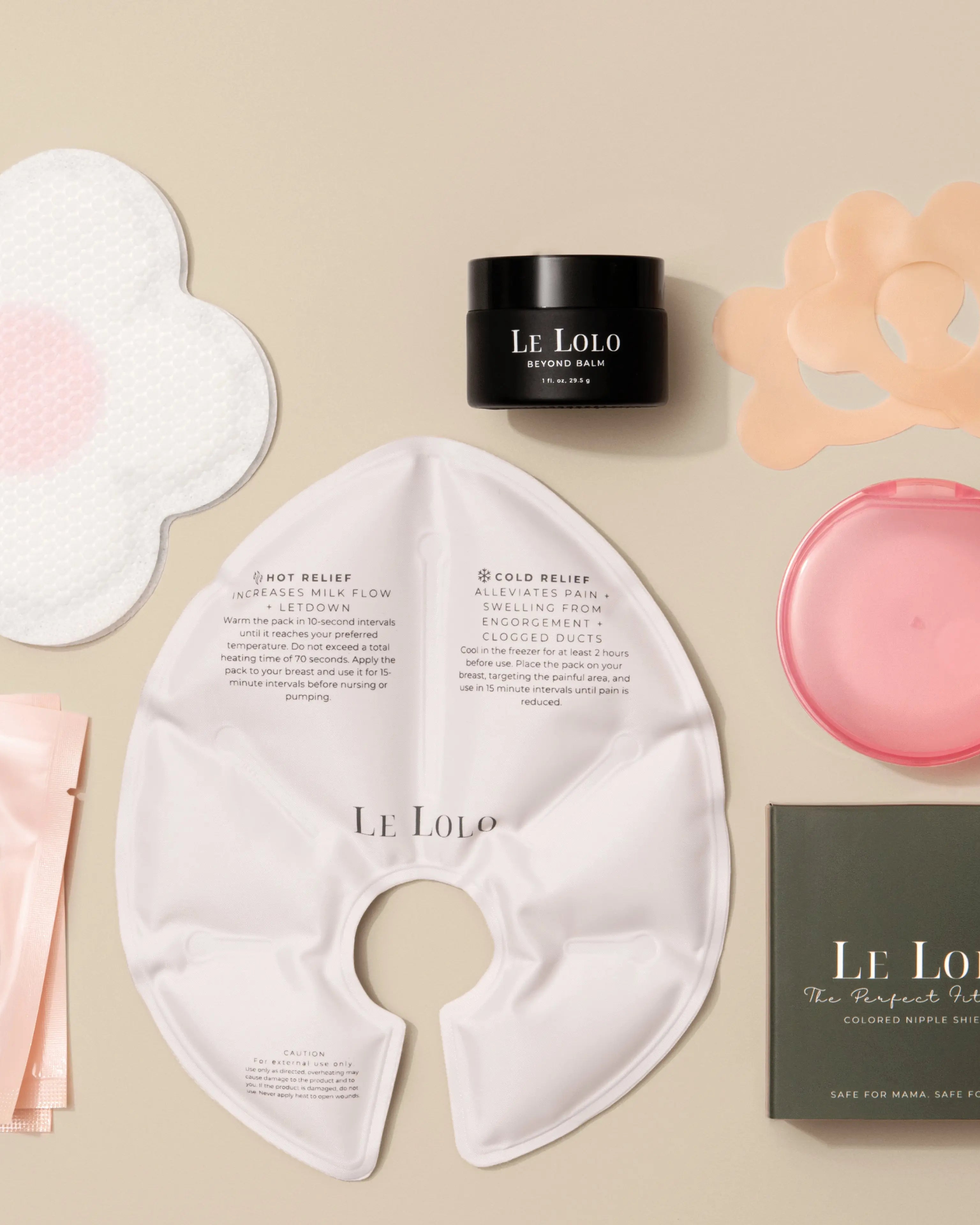
There are several products designed to support nipple care, including:
- Nipple creams and balms
- Hydrogel breast pads
- Breast pads
- Soft, comfortable nursing bras
Some moms find these products helpful for managing dryness, friction, or minor irritation.
But here’s the important part.
Persistent nipple pain isn’t something you should simply push through.
Cracked nipples, bleeding, sharp pain, or discomfort that continues throughout a feeding can indicate a latch problem or another issue that deserves attention.
An IBCLC can help identify what’s causing the pain and recommend appropriate next steps.
The goal isn’t just making breastfeeding tolerable. It’s helping breastfeeding become comfortable and effective.
4. Silicone Milk Collectors
You may have seen silicone milk collectors advertised as breastfeeding essentials.
Some moms experience leaking or a milk letdown from one breast while their baby feeds on the other.
A milk collector can help catch some of that milk rather than allowing it to soak into a breast pad.
Passive milk collectors are different from collectors that use suction, which can actively remove milk.
If you’re using suction regularly, keep in mind that it may stimulate additional milk production and contribute to oversupply in some situations.
5. Breast Milk Storage Bags and Containers
If you plan to pump, return to work, or have someone else occasionally feed your baby, milk storage supplies can be useful.
Choose containers intended for human milk storage and label expressed milk with the date.
For freshly expressed breast milk, the CDC recommends storage for up to four hours at room temperature, up to four days in the refrigerator, and about six months in the freezer for best quality, with up to twelve months considered acceptable.
You don’t need to build a giant freezer stash before returning to work.
For many families, a manageable supply of expressed milk is all that’s needed.
6. Lactation Support: One of the Most Valuable Breastfeeding Resources
We’ve talked about several breastfeeding tools, but there’s one resource I always encourage expecting moms to have ready before delivery.
A lactation consultant!
An International Board Certified Lactation Consultant is a healthcare professional with specialized training in breastfeeding and lactation.
An IBCLC can help you navigate:
- Painful breastfeeding or latch difficulties
- Nipple shield use and fit
- Low milk supply or oversupply
- Breast pump selection and flange sizing
- Bottle feeding and returning to work
- Feeding premature babies or multiples
- Creating a personalized feeding plan
And here’s something I wish more moms knew: You don’t have to wait until you’re struggling to schedule a lactation consultation.
Prenatal lactation consultations are a wonderful way to prepare for breastfeeding before your baby arrives.
You can discuss your feeding goals, learn what to expect during the first days, and develop a plan for getting help if challenges arise.
Many insurance plans also offer coverage for lactation consultations, although benefits vary by plan.
At Breezy Babies Lactation Group, we help families access personalized breastfeeding support through in home and telehealth consultations.
Preparing for Breastfeeding Is About More Than Products
As you prepare to welcome your baby, remember that breastfeeding isn’t about having the perfect collection of supplies.
It’s about learning, adapting, and finding what works best for you and your baby.
Some families breastfeed with very few accessories. Others discover that tools like nipple shields, breast pumps, or milk collectors make their feeding journey much easier.
Neither approach is more successful than the other.
The best breastfeeding tools are the ones that help you meet your feeding goals while keeping you and your baby comfortable, healthy, and supported.
And if something isn’t going as expected, you don’t have to figure it out alone.
A little education, the right tools, and a supportive lactation team can go a long way toward making your breastfeeding journey a little breezier.

Frequently Asked Questions About Breastfeeding Essentials
What breastfeeding essentials should I buy before my baby arrives?
Helpful breastfeeding supplies may include comfortable nursing bras, breast pads, and a breast pump if you anticipate needing one. Nipple shields and milk collectors can also be valuable tools in certain situations.
Are nipple shields good for breastfeeding?
Nipple shields can help some babies latch or maintain suction when breastfeeding is challenging. Proper fit and monitoring milk transfer are important, so guidance from an IBCLC is recommended.
Can I use a nipple shield from the beginning of breastfeeding?
A nipple shield may be appropriate early on if your baby is struggling to latch. An IBCLC can help determine whether it’s beneficial and ensure your baby is getting enough milk.
Do I need a breast pump if I plan to breastfeed exclusively?
Not necessarily. Some moms primarily breastfeed directly, while others use a pump for work, occasional separation, or milk supply management.
When should I see a lactation consultant?
You can schedule a prenatal lactation consultation during pregnancy or seek help after delivery. Early support is especially important if breastfeeding is painful, your baby has trouble latching, or you’re concerned about milk intake.
Explore the Complete Prenatal Breastfeeding Series
Want to feel more confident before your baby arrives? Start from the beginning:
- How to Prepare for Breastfeeding: 7 Things to Do During Pregnancy
- How to Get a Good Breastfeeding Latch: What Every Pregnant Mom Should Know Before Birth
- How to Prepare Your Body for Breastfeeding Before Baby Arrives
- What to Expect During the First 48 Hours of Breastfeeding
- Breastfeeding Essentials for New Moms: 6 Tools to Know About (you’re here!)
Need personalized breastfeeding support? Learn more about Breezy Babies Lactation Group and explore your options for prenatal, in home, and telehealth lactation consultations.
Brianne Taggart, Lactation Expert, is a mom of four and founder of Breezy Babies Lactation Group, one of the largest private practice lactation groups in the United States. Breezy Babies supports families both in home and via telehealth, working with parents locally and worldwide to make feeding feel calmer, more confident, and more breezy.
Let’s Keep the Support Going:
- Visit us online: Breezy Babies for more breastfeeding resources and freebies.
- Get personalized lactation support: Text us anytime at 801‑513‑3255 or check your insurance coverage for in home or telehealth lactation consultations.
- Grab your FREE Nipple Ruler: Download our free nipple ruler to help measure your nipples and find a more comfortable breast pump flange fit.
- Follow us on Instagram: @breezy__babies for breastfeeding tips, education, and encouragement.


