

More Support for Your Motherhood Journey





Skin to Skin Contact and Breastfeeding: Benefits, Tips, and Why It Matters
Skin to skin contact and breastfeeding can help support bonding, latch, feeding cues, and comfort during the early postpartum days. This guide explains the benefits of skin-to-skin, how to practice it safely, and why these quiet chest-to-chest moments can be so meaningful for both mom and baby.

As you navigate the beautiful and sometimes overwhelming season of caring for your baby, skin to skin contact and breastfeeding can become one of the most powerful ways to connect, comfort, and support your little one.
There is something unforgettable about those early newborn moments. Your baby curled against your chest, their tiny fingers resting on your skin, their soft breath rising and falling, and that sweet newborn smell you wish you could hold onto forever.
Skin-to-skin contact is more than a sweet newborn snuggle. It can help your baby adjust to life outside the womb, support breastfeeding, encourage bonding, and create a deep sense of safety for both of you. Whether you are nursing for the first time, working through latch challenges, using a nipple shield, pumping, combo feeding, or simply soaking in those quiet moments together, skin-to-skin contact can be a meaningful part of your postpartum journey.
What Is Skin to Skin Contact?
Skin to skin contact is when your baby is placed directly against your bare chest, usually wearing only a diaper, with a blanket over both of you for warmth.
This simple closeness allows your baby to feel your warmth, hear your heartbeat, smell your skin, and settle into the comfort of your body. For newborns, this can feel deeply calming. For moms, it can create a tender pause in the middle of a season that often feels full, emotional, and brand new.
Skin-to-skin contact often happens right after birth, but it does not have to stop there. You can practice skin-to-skin during the newborn stage and beyond — before feeds, after feeds, during fussy moments, after baths, or anytime you and your baby need connection.
Why Skin to Skin Contact and Breastfeeding Go Together
Skin to skin contact and breastfeeding are naturally connected.
When your baby is close to your bare chest, they are near the breast, your scent, your warmth, and the natural cues that help support feeding. This closeness can help baby feel calm, alert, and ready to nurse.
During skin-to-skin contact, your baby may begin to root, turn toward the breast, open their mouth, bob their head, or show other early hunger cues. These tiny signals can help you respond before baby becomes overly upset or frantic.
Breastfeeding during skin-to-skin contact can also help feeding feel less rushed and more connected. Your baby is comforted by your scent, heartbeat, and voice, while you get to experience one of the most intimate parts of early motherhood — nourishing your baby while holding them close.
Most healthy newborns are ready to breastfeed within the first hour after birth, and ACOG notes that holding baby directly against your bare skin right after birth can help encourage breastfeeding. The World Health Organization also states that skin-to-skin contact shortly after birth helps initiate early breastfeeding and may increase exclusive breastfeeding and overall breastfeeding duration.
Benefits of Skin to Skin Contact for Baby
Skin-to-skin contact can support your baby in so many meaningful ways.
Your chest becomes a place of warmth, regulation, and comfort. In those quiet moments, your baby can feel safe and secure while adjusting to life outside the womb.
Skin-to-skin contact may help support:
Body temperature regulation
Calmer breathing
A steadier heart rate
Bonding and emotional security
Early feeding cues
Breastfeeding initiation
Comfort during fussy periods
A sense of safety and closeness
Your body is familiar to your baby. Your heartbeat, voice, scent, and warmth are all reminders that they are safe. That connection can be especially comforting in the early days when everything outside the womb is new.
How Skin to Skin Contact Supports Breastfeeding
One of the most beautiful benefits of skin to skin contact and breastfeeding is how naturally they support each other.
When your baby is held close to your bare chest, they may be more likely to show feeding cues and begin searching for the breast. This can help with early breastfeeding attempts and may make feeds feel calmer.
Skin-to-skin contact may support breastfeeding by helping baby:
Wake for feeds
Show hunger cues earlier
Feel calmer at the breast
Latch with more ease
Stay close to the breast during feeding
Feel comforted by your scent and warmth
Cry less and settle more easily
It can also help you feel more connected to your baby and more aware of their feeding rhythm.
If breastfeeding feels difficult, skin-to-skin can still be helpful. Even if baby is not latching right away, holding them close can support bonding, comfort, and future feeding attempts.
Benefits of Skin to Skin Contact for Mom
The benefits of skin-to-skin contact are not only for baby — they are for you, too.
Those quiet chest-to-chest moments can help you slow down in a season that often feels fast, emotional, and full of change. Holding your baby close can support bonding, encourage oxytocin release, and create a sense of calm during the early postpartum days.
For moms, skin-to-skin contact may help support:
Bonding with baby
Emotional connection
Breastfeeding confidence
Milk letdown
Postpartum calm
Awareness of baby’s feeding cues
Moments of rest and connection
Breastfeeding and skin-to-skin contact can be a gentle reminder that you are not just feeding your baby — you are comforting, connecting, and learning each other.
When Should You Do Skin to Skin Contact?
Skin-to-skin contact does not have to be reserved for the hospital or the first hour after birth. You can continue practicing skin-to-skin throughout the newborn season and beyond.
You can try skin-to-skin contact:
Right after birth, if possible
Before breastfeeding
During breastfeeding
After breastfeeding
Before pumping
After a bath
During fussy evenings
Before naps
During contact naps, if you are awake and safely positioned
When baby needs comfort
When you need a quiet bonding moment
During bottle feeding, if that is part of your journey
There is no perfect schedule. Even a few minutes can be meaningful.
How Long Should You Do Skin to Skin Contact?
There is no exact amount of time that works for every family.
In the early hours after birth, uninterrupted skin-to-skin contact can be especially helpful for bonding and breastfeeding. WHO notes that prolonged skin-to-skin after birth can support babies as they become physically ready to breastfeed.
At home, skin-to-skin can be as short as a few minutes or as long as it feels safe and comfortable. You might do it for 10 minutes before a feed, during a sleepy afternoon snuggle, or as part of your nighttime routine.
The goal is not to meet a perfect number. The goal is connection, comfort, and support.
How to Do Skin to Skin Contact Safely
Skin-to-skin contact is simple, but safety matters.
To practice skin-to-skin, place your baby on your bare chest, usually wearing only a diaper. Cover both of you with a light blanket if needed. Make sure baby’s head is turned to the side, their nose and mouth are clear, and their body is supported.
A few safety tips:
Keep baby’s airway clear.
Make sure baby’s head and neck are supported.
Keep baby’s face visible.
Stay awake and alert while holding baby skin-to-skin.
Use a safe, supported position.
Avoid falling asleep with baby on a couch, chair, or unsafe sleep surface.
Ask for help if you feel tired, dizzy, medicated, or uncomfortable.
Skin-to-skin should feel calm, close, and safe for both of you.
Can Partners Do Skin to Skin Contact?
Yes. Skin-to-skin contact is not only for breastfeeding moms.
Partners can also practice skin-to-skin by holding baby against their bare chest with a blanket over both of them. This can help baby feel calm and connected while giving your partner a beautiful bonding opportunity.
Partner skin-to-skin can be especially helpful:
After birth
During fussy moments
After bath time
While mom rests
During bottle feeding
When baby needs comfort
This connection matters, too. Your baby benefits from safe, loving closeness with the people caring for them.
Skin to Skin Contact and Breastfeeding Cues
One reason skin-to-skin contact can be so helpful for breastfeeding is that it gives you a front-row seat to your baby’s early hunger cues.
Early hunger cues may include:
Stirring or waking
Turning head toward the breast
Rooting
Opening mouth
Sucking on hands
Nuzzling your chest
Becoming more alert
Crying is often a late hunger cue. Skin-to-skin can help you notice those earlier signs before baby becomes very upset, which may make latching feel easier.
How to Know If Baby Is Getting Enough Milk
Skin-to-skin contact can support breastfeeding, but many moms still wonder, “How do I know if my baby is getting enough milk?”
Look for signs that feeding is going well. The CDC lists signs such as breastfeeding often, hearing or seeing swallowing, baby seeming content after a feed, steady weight gain, and enough wet and dirty diapers.
Signs baby may be getting enough milk include:
Baby feeds often.
You hear or see swallowing during feeds.
Baby seems relaxed or content after feeding.
Your breasts may feel softer after nursing.
Baby has age-appropriate wet and dirty diapers.
Baby is gaining weight as expected.
Signs you may need extra support include:
Baby seems constantly frustrated at the breast.
Baby falls asleep quickly during most feeds.
Feeds are very painful.
Baby has fewer wet or dirty diapers than expected.
Baby is not gaining weight as expected.
You are worried about milk supply or milk transfer.
If you are unsure, reach out to your pediatrician or an IBCLC. You do not have to guess your way through it.
What If Breastfeeding Is Hard?
Skin-to-skin contact and breastfeeding can be beautiful, but breastfeeding does not always come easily.
If your baby is struggling to latch, feeds are painful, your nipples are cracked or bleeding, baby is not gaining weight as expected, or you are worried about milk supply, reach out to an IBCLC, lactation consultant, or healthcare provider.
Support can make such a difference.
Skin-to-skin can still be part of your journey even if you are pumping, combo feeding, bottle feeding, using a nipple shield, or working through feeding challenges. Your bond with your baby is not defined by one feeding method. Closeness, comfort, and connection matter in every version of motherhood.
Skin to Skin Contact With a Nipple Shield
If you are using a nipple shield, you can still support closeness during feeds.
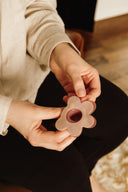
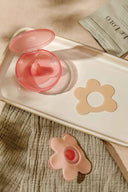
At Le Lolo, we understand how important skin to skin contact and breastfeeding can be, which is why our colored nipple shields were thoughtfully designed with a cutout to allow baby’s nose to touch your skin. This small detail helps encourage that beautiful sense of closeness while giving moms an option for extra latch support when needed.
Our goal is to help breastfeeding tools feel less clinical and more caring — because the accessories you use during postpartum should support both your baby and you.
Whether you use a nipple shield for latch challenges, nipple pain, or temporary support, you still deserve feeding moments that feel connected, beautiful, and reassuring.
Simple Tips for More Skin to Skin Contact and Breastfeeding
If you want to add more skin-to-skin contact into your breastfeeding routine, start small.
Try these simple ideas:
Begin a feeding with a few minutes of skin-to-skin.
Keep baby close to your chest during early hunger cues.
Use a cozy blanket over both of you for warmth.
Dim the lights during nighttime feeds.
Take deep breaths and let the moment feel slower.
Practice skin-to-skin after bath time.
Use skin-to-skin during fussy evenings.
Let your partner enjoy skin-to-skin contact, too.
Use skin-to-skin even if baby is bottle feeding, pumping, or combo feeding.
Remember, this does not have to look perfect. It can be messy, sleepy, emotional, or brief, and still be meaningful.

Final Thoughts on Skin to Skin Contact and Breastfeeding
Skin-to-skin contact and breastfeeding are powerful because they bring you back to what matters most: closeness, comfort, nourishment, and connection.
In a season filled with noise, advice, feeding questions, and constant change, these quiet moments can feel grounding. The gentle touch of your baby’s skin, the rhythm of their breath, the way they settle against you — these are the moments that become memories.
Soon, these may be the good old days. And while the days can feel long, tiring, and tender all at once, you are building something beautiful with your baby one feed, one snuggle, and one moment at a time.
At Le Lolo, we are here to support your postpartum and breastfeeding journey with thoughtful accessories designed to help you feel cared for, confident, and connected.
You are beautiful. You are strong. You are extraordinary. And you are the best mama for your baby.
Frequently Asked Questions About Skin to Skin Contact and Breastfeeding
What is skin-to-skin contact?
Skin-to-skin contact is when your baby is placed directly against your bare chest, usually wearing only a diaper, while you hold them close and keep them warm with a blanket.
Why is skin-to-skin contact important for breastfeeding?
Skin-to-skin contact can help baby feel calm, recognize feeding cues, stay close to the breast, and support early breastfeeding.
Can skin-to-skin contact help my baby latch?
Skin-to-skin contact may help some babies become calmer and more ready to feed, which can support latch attempts. If latch continues to feel difficult or painful, reach out to a lactation consultant.
How often should I do skin-to-skin contact?
There is no perfect number. You can practice skin-to-skin contact after birth, before feeds, during breastfeeding, after baths, during fussy moments, or anytime you and your baby need closeness.
How long should skin-to-skin contact last?
Skin-to-skin contact can last a few minutes or longer, depending on what feels safe and comfortable. In the early hours after birth, uninterrupted skin-to-skin can be especially helpful when possible.
Can I do skin-to-skin if I am pumping or bottle feeding?
Yes. Skin-to-skin contact is not only for breastfeeding. Pumping, bottle-feeding, combo-feeding, and breastfeeding moms can all use skin-to-skin as a way to bond and comfort baby.
Can partners do skin-to-skin contact?
Yes. Partners can do skin-to-skin by holding baby against their bare chest with a blanket over both of them. This can support bonding and help baby feel safe and comforted.
Can I use a nipple shield and still have skin-to-skin contact?
Yes. You can still practice skin-to-skin while using a nipple shield. Le Lolo’s colored nipple shields include a cutout designed to allow baby’s nose to touch your skin during feeding.
Is skin-to-skin contact good for moms too?
Yes. Skin-to-skin contact can support bonding, calm, breastfeeding confidence, and emotional connection during the postpartum season.
What if breastfeeding is not working even with skin-to-skin?
If breastfeeding is painful, baby is struggling to latch, baby is not gaining weight as expected, or you are worried about milk transfer, reach out to an IBCLC, lactation consultant, pediatrician, or healthcare provider.


