

More Support for Your Motherhood Journey




Navigating Lactation: 8 Simple Tips That Actually Help
Navigating lactation can feel beautiful, emotional, and overwhelming all at once. From milk supply and latch support to sore nipples, leaks, and knowing when to ask for help, these 8 actually helpful tips are here to make breastfeeding feel a little less confusing and a lot more supported.

If you are navigating lactation, you may be wondering what is normal, what your body needs, how to support milk supply, and how to make breastfeeding or pumping feel more comfortable. The truth is, lactation can be both incredible and overwhelming. Some feeds may feel peaceful and connected, while others may leave you sore, unsure, or searching for answers at 2 a.m.
First, take a breath. You are not supposed to know everything right away.
Every mom’s feeding journey is different. Whether you are breastfeeding, pumping, combo feeding, using a nipple shield, working through latch challenges, or simply trying to understand your new body, you deserve support, encouragement, and practical tools that help you feel cared for, too.
Here are simple, supportive tips for navigating lactation with more comfort and confidence.
What Does "Navigating Lactation" Mean?
Navigating lactation means learning how your body makes milk, how your baby feeds, and what kind of support you need during the postpartum season.
For some moms, lactation feels natural from the beginning. For others, it comes with questions about latch, nipple pain, leaking, engorgement, pumping, milk supply, clogged ducts, or whether baby is getting enough milk.
Both experiences are normal.
Navigating lactation is not about doing everything perfectly. It is about learning what works for you and your baby, asking for help when you need it, and giving yourself grace through the process.
1. Focus on Frequent Milk Removal
One of the most important parts of navigating lactation is understanding that milk supply is closely connected to milk removal.
In simple terms: the more often milk is effectively removed from the breast through nursing or pumping, the more signals your body receives to continue making milk.
In the early days, this may look like frequent breastfeeding, responsive feeding, or pumping when needed. Newborns often feed often, and cluster feeding can feel intense, especially in the evenings. This does not always mean something is wrong — sometimes baby is helping your body build and regulate supply.
Helpful ways to support milk removal include:
Feeding baby often in the early weeks.
Watching for hunger cues like rooting, sucking on hands, or stirring.
Offering both breasts if baby is still interested.
Pumping when baby is not nursing effectively or if advised by a lactation consultant.
Getting latch support if feeds are painful or baby is not transferring milk well.
If you are worried about milk supply, it is always best to connect with an IBCLC, lactation consultant, or healthcare provider for personalized support.
2. Learn the Signs Baby Is Getting Enough Milk
One of the biggest worries when navigating lactation is wondering, “Is my baby getting enough?”
Because breastfeeding does not come with ounce markings, it can feel hard to know what baby is taking in. Instead, look for feeding and output signs.
Signs baby may be getting enough milk include:
Baby is feeding often.
You can hear or see swallowing during feeds.
Baby seems relaxed or content after feeding.
Your breasts may feel softer after nursing.
Baby has age-appropriate wet and dirty diapers.
Baby is gaining weight as expected.
Signs you may need extra lactation support include:
Baby seems constantly frustrated at the breast.
Baby falls asleep very quickly during most feeds.
Feeds are very painful.
Baby has fewer wet or dirty diapers than expected.
Baby is not gaining weight as expected.
You are worried your milk supply is too low.
You feel unsure if baby is transferring milk well.
If you are unsure, you are not failing. This is exactly the kind of thing lactation consultants help with.
3. Get Latch Support Early
A deep, comfortable latch can make a huge difference in your lactation journey.
Some tenderness can happen as your body adjusts, but breastfeeding should not feel like ongoing toe-curling pain. Pain, cracked nipples, bleeding, pinching, clicking, shallow latch, or baby slipping on and off the breast are all signs that extra support may help.
A lactation consultant can assess baby’s latch, positioning, oral function, milk transfer, and your comfort during feeds. Sometimes a small adjustment in how baby is positioned can make feeding feel completely different.
You may want latch support if:
Your nipples are sore, cracked, flattened, or bleeding after feeds.
Baby struggles to stay latched.
Baby clicks or slips while nursing.
Baby feeds for a long time but still seems hungry.
You are using a nipple shield and want help with fit or milk transfer.
You are worried baby is not getting enough milk.
Getting help early can prevent small challenges from becoming bigger, more stressful ones.
4. Keep Hydration and Nourishment Simple
When you are breastfeeding or pumping, your body is doing a lot. Hydration and nourishment matter — but they do not need to become one more thing to stress over.
Keep a water bottle nearby wherever you feed most often. A bottle with a straw can make it easier to sip while holding your baby. Add easy snacks to your nursing or pumping station, like granola bars, trail mix, fruit, cheese, crackers, or anything you can eat with one hand.
You do not need a perfect postpartum diet to support lactation. You need accessible nourishment, steady hydration, and permission to make things easy.
A simple lactation station might include:
A large water bottle.
One-handed snacks.
Burp cloths.
Nursing pads.
Nipple balm.
Hydrogel pads.
Your nipple shield or pump parts if using them.
Phone charger.
A soft light for nighttime feeds.
Think of this as care for you, not just supplies for feeding.
5. Prepare for Leaks, Letdowns, and Engorgement
Leaking can be a normal part of lactation, especially in the early weeks while your milk supply is regulating. Some moms leak often, some barely leak at all, and both can be normal.
Nursing pads can help you stay dry and comfortable throughout the day and night. Keep a few pairs in your diaper bag, beside your bed, in the nursery, and anywhere you usually feed or pump.
Engorgement can also happen as your milk comes in or when feeds are missed. Your breasts may feel full, firm, warm, or uncomfortable. Gentle support, frequent milk removal, and lactation guidance can help.
If you experience severe pain, flu-like symptoms, fever, redness, or worsening breast inflammation, reach out to a healthcare provider.
Navigating lactation is easier when you know what to watch for and when to ask for help.
6. Care for Your Nipples Like They Matter — Because They Do
Your nipples are working hard, especially in the early days of breastfeeding.
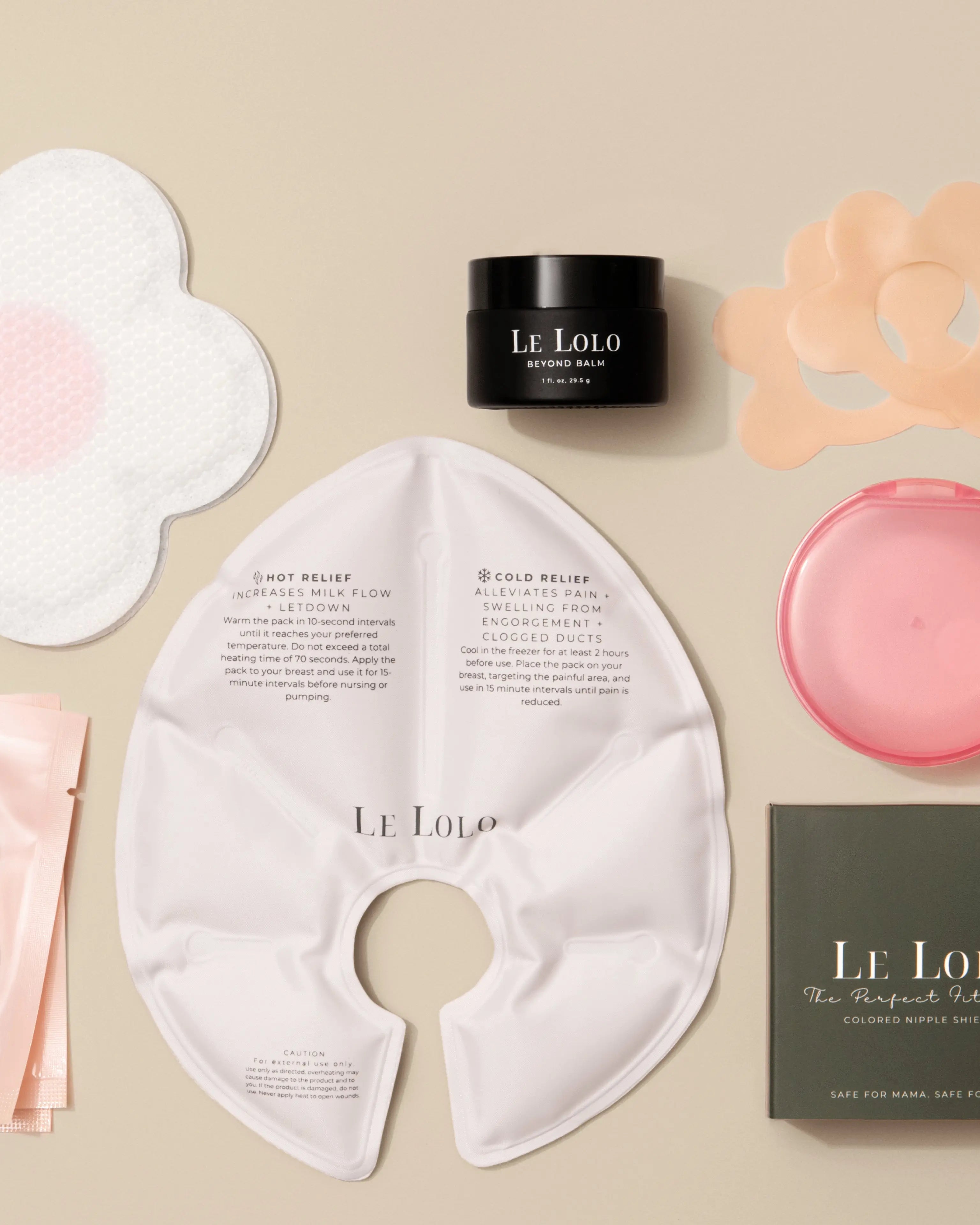
If you are feeling tender, sensitive, or sore, gentle care can help. Nipple balm, hydrogel cooling pads, silver nursing cups, and nipple shields may all have a place depending on your needs.
Le Lolo’s breastfeeding accessories were created to make these practical tools feel less clinical and more beautiful — because support for mom should feel thoughtful, too.
Comfort tools that may help include:
Nipple balm for dryness and tenderness.
Hydrogel cooling pads for soothing relief.
Nursing pads for leaks.
Nipple shields for latch support when appropriate.
A nipple shield sticker if your shield keeps shifting or falling off.
Warm or cool therapy packs for breast comfort.
If nipple pain continues, do not just push through it. Ongoing pain often means latch, pump fit, or feeding mechanics need support.
7. Know When to Call a Lactation Consultant
You do not need to wait until you are overwhelmed to ask for help.
A lactation consultant can support you with latch, nipple pain, milk supply, pumping, flange sizing, nipple shield use, engorgement, clogged ducts, weighted feeds, and feeding plans.
Consider reaching out if:
Breastfeeding hurts.
Baby is not latching well.
You are worried about milk supply.
Baby is not gaining weight as expected.
You are using a nipple shield and want guidance.
You are pumping and unsure about flange size.
You have recurring clogged ducts or engorgement.
You are returning to work and need a pumping plan.
You want reassurance that feeding is going well.
Getting support is not a sign that you are doing anything wrong. It is a sign that you are taking care of yourself and your baby.
8. Give Yourself Permission to Have Your Own Feeding Journey
Navigating lactation does not look the same for every mom.
Some moms exclusively breastfeed. Some pump. Some combo feed. Some use nipple shields. Some supplement. Some wean earlier than expected. Some breastfeed longer than planned.
Your worth as a mother is not measured in ounces, latch depth, freezer stash size, or how your feeding journey compares to someone else’s.
The goal is not perfection. The goal is support, nourishment, connection, and a feeding plan that works for your real life.
You are allowed to ask for help.
You are allowed to use tools.
You are allowed to change the plan.
You are allowed to care for yourself, too.
Helpful Tools for Navigating Lactation
Having a few supportive breastfeeding essentials nearby can make the early days feel less chaotic.
Here are a few items that may help:
Nursing pads for leaks.
Nipple balm for tenderness.
Hydrogel cooling pads for soothing comfort.
A nipple shield if recommended or helpful for latch.
Nipple shield stickers to help keep your shield in place.
Hot and cold therapy packs for breast comfort.
A comfortable pumping or nursing bra.
A water bottle and easy snacks.
A clean storage case for small feeding items.
You do not need everything, but the right few tools can make a hard moment feel a little easier.
Final Thoughts on Navigating Lactation
If you are navigating lactation right now, remember this: you are learning, your baby is learning, and neither of you has to get it perfect overnight.
Stay hydrated. Feed or pump often. Watch for signs baby is getting enough milk. Care for your nipples. Keep supportive tools close. And reach out for lactation help when something feels painful, confusing, or overwhelming.
Breastfeeding can be beautiful, but it can also be hard — and both can be true at the same time.
At Le Lolo, we are here for your postpartum accessory needs with thoughtful breastfeeding essentials designed to help you feel cared for during this tender season.
You are beautiful. You are strong. You are extraordinary. And you are the best mama for your baby.

Frequently Asked Questions About Navigating Lactation
What does navigating lactation mean?
Navigating lactation means learning how to breastfeed, pump, support milk supply, manage breast and nipple changes, and find the right feeding rhythm for you and your baby.
What is the most important thing for lactation?
Frequent and effective milk removal is one of the most important parts of lactation. This can happen through breastfeeding, pumping, or a combination of both.
How do I know if my baby is getting enough milk?
Look for frequent feeding, swallowing during feeds, contentment after feeding, age-appropriate wet and dirty diapers, and steady weight gain. If you are unsure, reach out to a lactation consultant or pediatrician.
Are leaks normal during lactation?
Yes, leaks can be normal, especially in the early weeks while milk supply is regulating. Nursing pads can help keep you dry and comfortable.
What helps sore nipples while breastfeeding?
Nipple balm, hydrogel cooling pads, proper latch support, and nipple shields when appropriate may help. If pain continues, it is best to work with a lactation consultant.
When should I see a lactation consultant?
You may want to see a lactation consultant if breastfeeding is painful, baby is struggling to latch, you are worried about milk supply, baby is not gaining weight as expected, or feeding feels stressful.
Can I use a nipple shield while navigating lactation?
Yes, a nipple shield can be a helpful tool for some moms and babies, especially with latch challenges or nipple pain. It is best to monitor milk transfer and seek lactation support if you are unsure.
Shop This Solution
Build your lactation comfort kit
Explore thoughtful essentials for leaks, nipple comfort, latch support, and everyday breastfeeding care.
|
Nursing Pads Shop Now → |
Beyond Balm Shop Now → |
Hydrogel Cooling Pads Shop Now → |
|
Nipple Shield Shop Now → |
Nipple Shield Stickers Shop Now → |
Hot & Cold Therapy Packs Shop Now → |


