

More Support for Your Motherhood Journey








What Is Peripartum? Meaning, Symptoms, and What New Moms Should Know
Peripartum is the time around childbirth, including the final weeks of pregnancy, labor and delivery, and the early postpartum period. This guide explains what peripartum means, what symptoms to expect, how it differs from postpartum, and how new moms can feel more supported through birth, recovery, and early breastfeeding.
If you have heard the word peripartum and wondered what it actually means, you are not alone.
Peripartum is a medical term used to describe the time period around childbirth. In simple terms, peripartum includes the weeks before birth, labor and delivery, and the early postpartum period after baby arrives.
It may sound like a clinical word, but the peripartum season is anything but clinical. It is tender, emotional, physical, beautiful, exhausting, and full of change.
Your body is preparing for birth, recovering from birth, learning to feed your baby, and adjusting to life with a newborn. You may feel excited, nervous, overwhelmed, deeply in love, completely exhausted, or all of the above.
In this guide, we’ll walk through what peripartum means, how it is different from postpartum and perinatal, what to expect during the peripartum period, and how to care for yourself through this beautiful and tender season.
What Does Peripartum Mean?
Peripartum means the time period surrounding childbirth.
The word is often used in medical settings to describe symptoms, care, or conditions that happen shortly before, during, or shortly after delivery.
In everyday language, you can think of peripartum as the bridge between pregnancy and postpartum.
The peripartum period can include:
-
The final weeks of pregnancy
-
Labor and birth
-
The first days and weeks after birth
-
The beginning of postpartum recovery
-
The start of breastfeeding, pumping, or newborn feeding
-
The emotional transition into motherhood
Peripartum is not just one moment. It is a whole season of becoming.
Peripartum vs. Postpartum: What Is the Difference?
Peripartum and postpartum are related, but they do not mean exactly the same thing.
Peripartum refers to the time around birth — before, during, and shortly after delivery.
Postpartum refers to the time after birth.
So, if postpartum is the season after baby arrives, peripartum is the transition into and through birth.
For example:
-
The last weeks of pregnancy are part of the peripartum period.
-
Labor and delivery are part of the peripartum period.
-
The first days after birth are part of both the peripartum and postpartum periods.
-
Your recovery after birth is usually described as postpartum care.
A simple way to remember it:
Peripartum = around birth
Postpartum = after birth
Peripartum vs. Perinatal: Are They the Same?
These words are often used together, but they can mean slightly different things.
Perinatal usually refers to the time during pregnancy and after birth, especially when discussing maternal mental health, infant health, and pregnancy-related care.
Peripartum is more specifically focused on the time close to childbirth.
A simple way to think about it:
-
Perinatal = pregnancy through postpartum
-
Peripartum = around the time of birth
-
Postpartum = after birth
For new moms, the exact medical definitions matter less than understanding this: all of these words describe a season where your body, baby, and emotions need extra support.
Why the Peripartum Period Matters
The peripartum period matters because your body and mind are going through a huge transition.
During this time, you may be:
-
Preparing for labor
-
Recovering from vaginal birth or C-section
-
Experiencing bleeding and cramping
-
Learning to breastfeed, pump, or bottle feed
-
Feeling your milk come in
-
Managing nipple pain, leaking, or engorgement
-
Adjusting to broken sleep
-
Experiencing hormone shifts
-
Feeling emotional, anxious, weepy, or overwhelmed
-
Bonding with your baby
-
Learning what kind of support you need
This is a tender and transformative time. You are not only caring for a newborn — you are also healing, changing, and becoming a new version of yourself.
You deserve care in this season, too.
What Happens During the Peripartum Period?
Every mom’s peripartum experience is different, but there are a few common things that may happen during this season.
1. Your Body Prepares for Birth
In the final weeks of pregnancy, your body may begin preparing for labor.
You may notice:
-
More pelvic pressure
-
Braxton Hicks contractions
-
Changes in discharge
-
Back discomfort
-
Swelling
-
Trouble sleeping
-
More frequent bathroom trips
-
A mix of excitement, nerves, and impatience
This can be a good time to prepare your postpartum recovery space, breastfeeding supplies, hospital bag, and support plan for after baby arrives.
Think less “perfect nursery” and more “what will make the first week feel softer for me?”
2. Labor and Birth Happen
Labor and birth are the center of the peripartum period.
Whether you have a vaginal birth, assisted birth, scheduled C-section, or unplanned C-section, your body is doing something enormous.
Birth can be:
-
Beautiful
-
Intense
-
Emotional
-
Empowering
-
Surprising
-
Different from what you imagined
There is no one “right” way to birth. The most important thing is that you and your baby receive safe, respectful, supportive care.
3. Your Body Begins Postpartum Healing
After birth, your body immediately begins healing.
You may experience:
-
Postpartum bleeding
-
Cramping
-
Perineal soreness
-
Swelling
-
Night sweats
-
Breast changes
-
Nipple tenderness
-
Incision pain if you had a C-section
-
Major hormone shifts
This is why rest and support matter so much in the early postpartum days.
The peripartum season is not the time to “bounce back.” It is the time to recover, bond, feed, rest, and be cared for.
4. Breastfeeding and Lactation May Begin
For many moms, the peripartum period includes the beginning of breastfeeding, pumping, or combo feeding.
In the first days, your body produces colostrum — the thick, nutrient-rich early milk your baby receives before mature milk increases.
As your milk comes in, you may notice:
-
Breast fullness
-
Leaking
-
Engorgement
-
Nipple tenderness
-
Cluster feeding
-
Questions about whether baby is getting enough milk
This is also when many moms start wondering:
-
Is my baby getting enough milk?
-
Is my latch right?
-
Should breastfeeding hurt?
-
When should I call a lactation consultant?
-
Should I start pumping?
If feeding feels hard, painful, or confusing, you are not failing. You are learning, and support can make a huge difference.
5. Your Emotions May Feel Big
The peripartum period can bring a wave of emotions.
You may feel:
-
Joy
-
Love
-
Relief
-
Anxiety
-
Sadness
-
Overwhelm
-
Irritability
-
Protectiveness
-
Exhaustion
-
A sense that everything has changed overnight
Some emotional ups and downs can be common after birth, but intense sadness, anxiety, panic, rage, scary thoughts, or symptoms that do not improve deserve support.
You are not meant to push through alone. Emotional care is postpartum care.
Common Peripartum Symptoms
During the peripartum period, you may experience physical and emotional symptoms as your body prepares for birth and begins recovery.
Common peripartum symptoms may include:
-
Pelvic pressure
-
Contractions or cramping
-
Postpartum bleeding
-
Perineal soreness
-
C-section incision discomfort
-
Breast fullness or leaking
-
Engorgement
-
Nipple tenderness
-
Night sweats
-
Swelling
-
Constipation
-
Hemorrhoids
-
Fatigue
-
Mood swings
-
Anxiety
-
Crying easily
-
Feeling overwhelmed
Many of these symptoms can be part of normal healing, but some symptoms need medical attention. If something feels wrong, it is always okay to call your provider.
Peripartum Warning Signs: When to Call Your Provider
Trust yourself. If something feels off during pregnancy, birth recovery, or postpartum, reach out to your healthcare provider.
Call your provider or seek urgent care right away if you experience:
-
Heavy bleeding that cannot be controlled
-
Chest pain
-
Trouble breathing
-
Fainting or severe dizziness
-
Severe headache
-
Vision changes
-
Fever
-
Severe abdominal pain
-
Leg pain, redness, warmth, or swelling
-
Signs of infection
-
Thoughts of hurting yourself or your baby
You know your body. If you are concerned, call.
It is always better to ask and be reassured than to sit at home worrying.
How to Support Yourself During the Peripartum Period
The peripartum season is not just about preparing for baby. It is also about caring for you.
Here are simple ways to support yourself during this transition.
1. Build Your Support Team Before Baby Arrives
Before birth, think about who you can call for practical, emotional, and feeding support.
Your support team might include:
-
Your partner
-
Family or trusted friends
-
OB-GYN or midwife
-
Pediatrician
-
Doula
-
Lactation consultant
-
Pelvic floor therapist
-
Postpartum mental health therapist
-
Meal train or local community support
You do not need to do this alone. Support is not extra — it is essential.
2. Prepare for Postpartum Recovery
Set up a simple recovery station at home before baby arrives.
Helpful items may include:
-
Maternity pads
-
Peri bottle
-
Comfortable underwear
-
Pain relief approved by your provider
-
Nursing pads
-
Nipple balm
-
Hydrogel cooling pads
-
Silver nursing cups
-
Hot and cold therapy packs
-
Water bottle with a straw
-
Easy snacks
-
Phone charger
-
Burp cloths
-
A clean case for nipple shields or small feeding items
Having essentials within reach can make the first days home feel less chaotic.
This does not have to be fancy. It just has to help you feel a little more supported when you are tired, sore, feeding often, and learning your baby.
3. Get Lactation Support Early
If you plan to breastfeed or pump, consider connecting with a lactation consultant before baby arrives or soon after birth.
Lactation support can help with:
-
Latch
-
Nipple pain
-
Milk transfer
-
Pumping
-
Flange sizing
-
Nipple shield use
-
Engorgement
-
Milk supply questions
-
Feeding plans
-
Returning to work
You do not have to wait until you are overwhelmed to ask for help. Getting support early can make feeding feel more manageable and less stressful.
4. Give Your Body Time to Heal
The peripartum period is not the time to prove how much you can do.
It is the time to heal.
Your body just carried and birthed a baby. Whether your birth was vaginal or by C-section, recovery takes time.
Try to:
-
Rest as much as possible
-
Accept help with meals and chores
-
Avoid doing too much too soon
-
Drink water
-
Eat nourishing foods
-
Take short walks only when you feel ready and your provider approves
-
Call your provider if symptoms feel concerning
Healing is not lazy. Healing is necessary.
5. Protect Your Emotional Health
Emotional care matters just as much as physical recovery.
Tell someone you trust how you are really feeling. Ask your provider what emotional changes are expected and what symptoms need support.
You may also want to make a simple emotional support plan before baby arrives:
-
Who can I text when I feel overwhelmed?
-
Who can help with the baby so I can rest?
-
Who can help with older children?
-
Who will notice if I do not seem like myself?
-
Who can help me contact a provider or therapist if I need support?
You deserve support for your mind, not just your body.
Peripartum Care and Breastfeeding Tools
The right tools cannot replace support, but they can make the peripartum season feel more manageable.
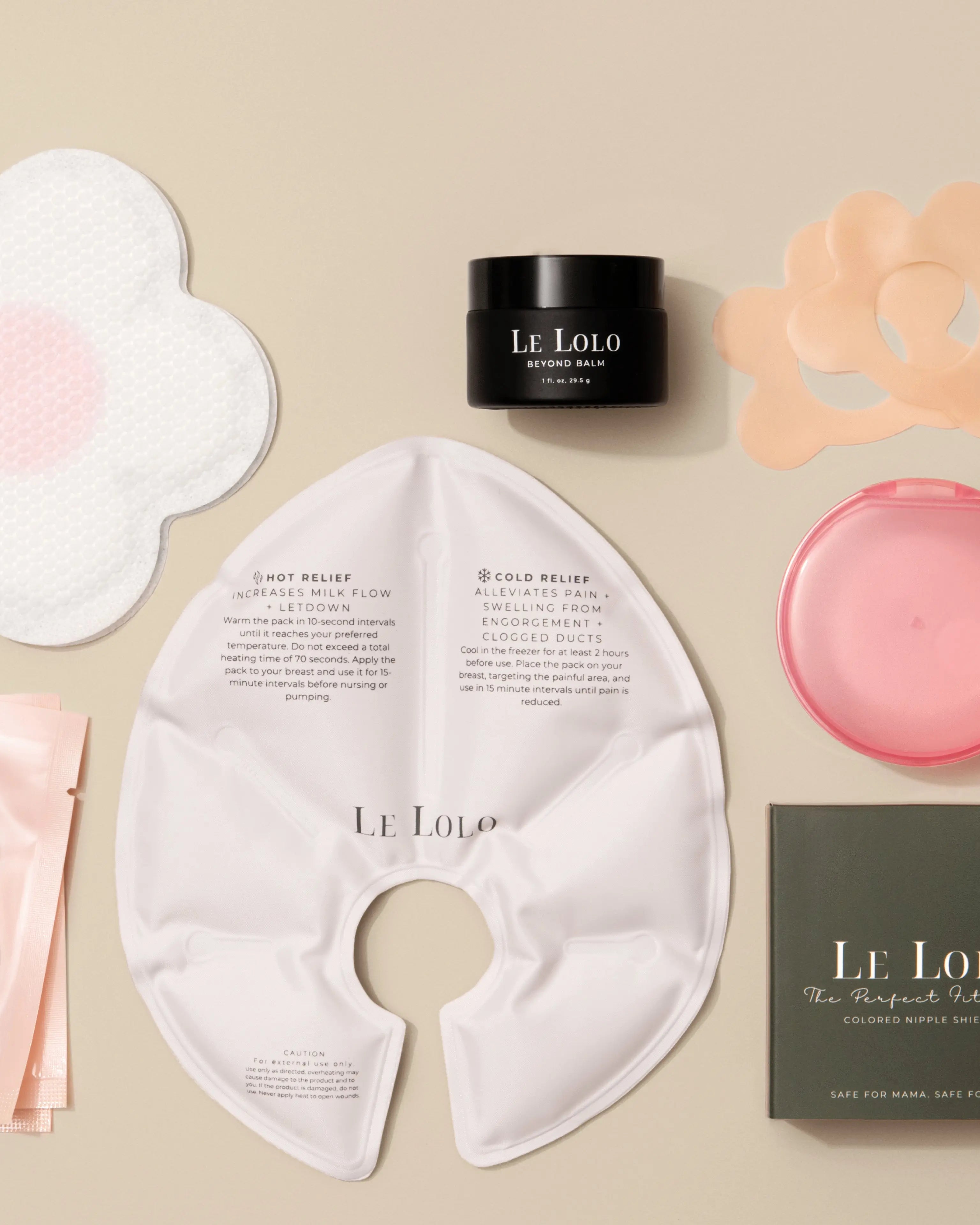
At Le Lolo, we believe postpartum and breastfeeding essentials should feel thoughtful, supportive, and beautiful — not sterile or overwhelming.
During the peripartum period, moms may benefit from:
-
Nursing pads for leaks
-
Nipple balm for tenderness
-
Hydrogel cooling pads for soothing relief
-
Nipple shields for latch support when appropriate
-
Nipple shield stickers to help keep shields in place
-
Hot and cold therapy packs for breast comfort
-
A postpartum journal for tracking feeds, feelings, and recovery
-
A clean case or pouch for small breastfeeding accessories
Because you deserve to feel cared for, too.
Final Thoughts: What Is Peripartum?
So, what is peripartum?
Peripartum is the time around childbirth — the final stretch of pregnancy, labor and delivery, and the early postpartum period.
It is a season of preparation, birth, healing, feeding, bonding, emotional change, and learning.
It can be beautiful. It can be overwhelming. It can be joyful and hard at the same time.
Most importantly, it is a season where you deserve support.
As you move through the peripartum period, remember that you are not just preparing for your baby. You are also preparing to care for yourself.
At Le Lolo, we are here to support your pregnancy, breastfeeding, and postpartum journey with thoughtful accessories designed to help new moms feel seen, supported, and cared for.
You are beautiful. You are strong. You are extraordinary. And you are the best mama for your baby.

Frequently Asked Questions About Peripartum
What does peripartum mean?
Peripartum means the time period around childbirth. It generally includes the final weeks before birth, labor and delivery, and the early postpartum period after baby arrives.
Is peripartum the same as postpartum?
No. Peripartum refers to the time around birth, while postpartum means after birth. The first days after delivery can be considered both peripartum and postpartum.
Is peripartum the same as perinatal?
Not exactly. Perinatal often refers to pregnancy and postpartum more broadly, while peripartum is more focused on the time close to childbirth.
What happens during the peripartum period?
During the peripartum period, your body prepares for birth, goes through labor and delivery, begins postpartum healing, starts lactation if breastfeeding or pumping, and adjusts emotionally to life with a newborn.
How long does the peripartum period last?
There is no single universal length used in everyday language. Peripartum generally refers to the time shortly before, during, and shortly after childbirth.
What are common peripartum symptoms?
Common peripartum symptoms may include contractions, pelvic pressure, postpartum bleeding, cramping, soreness, breast changes, leaking, nipple tenderness, fatigue, mood changes, and night sweats.
When should I call my provider during the peripartum period?
Call your provider right away for heavy bleeding, chest pain, trouble breathing, fainting, fever, severe headache, vision changes, severe pain, signs of infection, or thoughts of harming yourself or your baby.
Can peripartum include breastfeeding?
Yes. For many moms, the peripartum period includes the beginning of breastfeeding, pumping, milk coming in, latch support, nipple tenderness, leaking, and early lactation questions.
Why is the peripartum period important?
The peripartum period is important because your body, mind, and baby are all going through major changes. This is a key time for recovery, bonding, feeding support, emotional care, and postpartum planning.


