


Mastitis is a common and painful condition that affects many breastfeeding moms, causing inflammation and often infection in the breast tissue. If you’re wondering how you can protect yourself and your baby from the discomfort and complications mastitis can bring, this article will guide you through understanding the causes, recognizing symptoms early, and learning effective prevention and treatment strategies. Knowing how to prevent mastitis while breastfeeding helps maintain your milk flow, ease pain, and support your breastfeeding journey with confidence.
Understanding Mastitis: What It Is and Why It Happens
Mastitis is the inflammation of breast tissue that often causes pain, swelling, warmth, and redness. It is most common among breastfeeding women and can disrupt nursing routines due to discomfort. This condition frequently results from blocked milk ducts or engorgement, where milk is unable to flow freely, leading the breast tissue to become inflamed. There are two main types: inflammatory mastitis, which is due primarily to milk stasis and tissue injury, and bacterial mastitis, caused when bacteria enter the breast, often through nipple cracks, leading to infection. Although rare, mastitis can occur in non-breastfeeding women, making early recognition critical to avoid complications.
Common Causes of Mastitis While Breastfeeding
The primary cause of mastitis is milk duct blockage, which prevents milk from flowing and causes milk to build up, triggering inflammation. Bacteria can enter through small cracks or sores on the nipple, creating a bacterial infection. Engorgement, often caused by an oversupply of milk or infrequent feeding, adds pressure to the breast tissue and may contribute to blocked ducts. Other lactation-related factors include poor latch, sudden weaning, or nursing strikes, all increasing mastitis risk. While less common, breast injury, past breast surgery, or dysbiosis—the imbalance of bacteria within the breast—can also contribute to mastitis. These issues often fall along a spectrum from blocked ducts and milk blisters (blebs) to full infection and abscess.
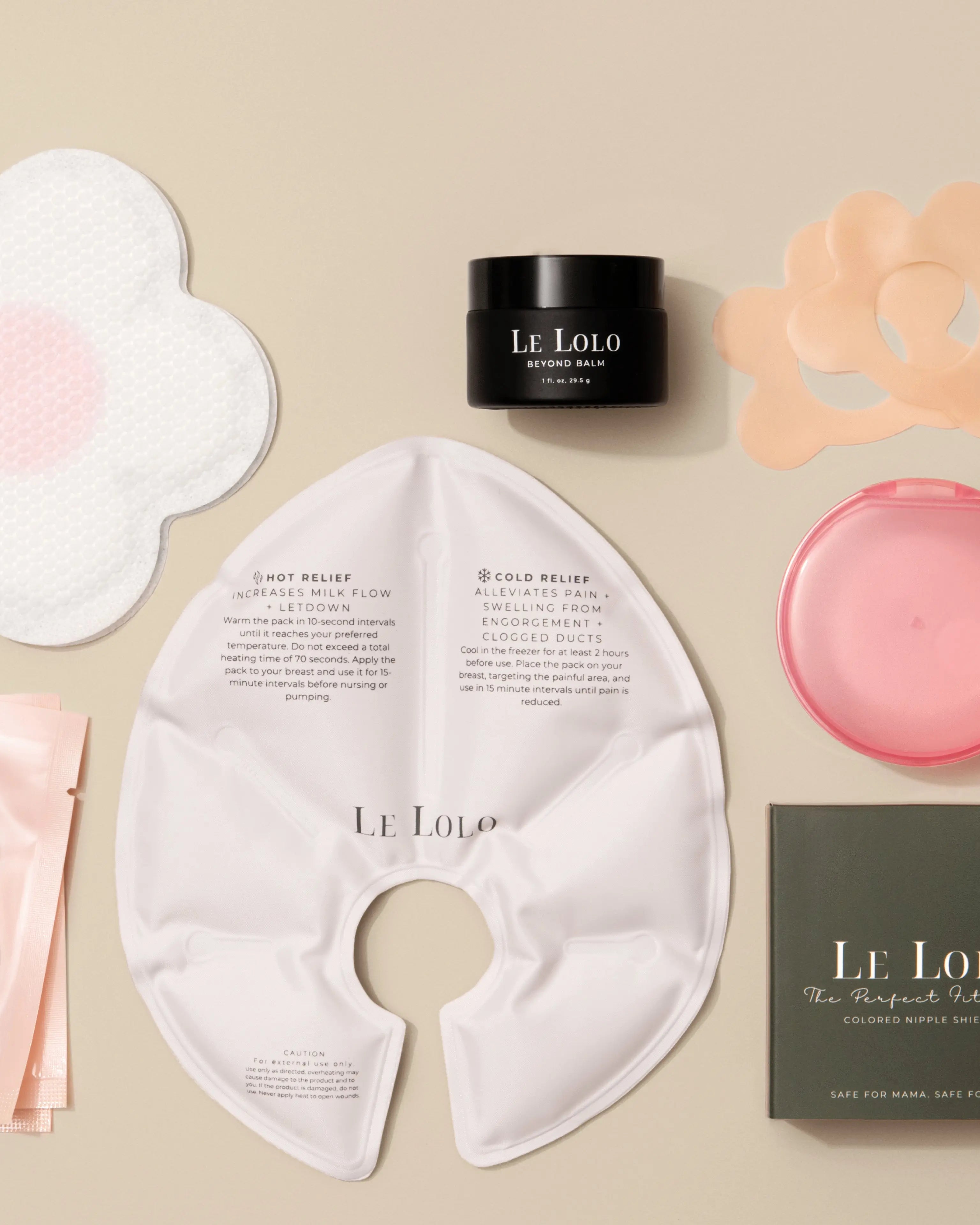
For relief from a clogged milk duct, consider exploring our Clogged Duct Set | Lactation Care for New Moms and Breastfeeding Moms designed to soothe and promote healthy milk flow.
Recognizing Mastitis: Signs and Symptoms to Watch For
Mastitis typically presents with a red, swollen, warm, and tender area on the breast. You might also feel hard lumps or localized pain near the nipple, indicating blocked ducts. Systemic symptoms such as fever, chills, flu-like body aches, and general malaise often accompany the local inflammation, making you feel unwell. These symptoms can develop suddenly or may worsen gradually over a few days. Differentiating mastitis from a simple blocked duct or engorgement is important: mastitis usually includes systemic signs and more intense breast inflammation. Immediate medical care is recommended if you notice signs of an abscess, such as a persistent, painful lump with skin breakdown or fever that doesn’t improve.
Diagnosing Mastitis: What to Expect from Your Healthcare Provider
Your healthcare provider will generally diagnose mastitis through a physical exam and review of your symptoms. When symptoms are severe or persistent, breast imaging like an ultrasound may be ordered to rule out an abscess or other complications. If mastitis recurs frequently, milk culture and sensitivity testing can identify specific bacteria and guide antibiotic treatment. Professional diagnosis is essential to distinguish mastitis from other breast problems such as periductal mastitis or inflammatory breast cancer. Prompt consultation is vital if symptoms worsen or don’t improve with home care. Your provider may also refer you to specialists such as lactation consultants or breast surgeons for advanced support.
Effective Strategies to Prevent Mastitis While Breastfeeding
Preventing mastitis starts with responsive, frequent breastfeeding to avoid milk stasis. Ensuring a good latch helps the baby empty milk efficiently, reducing the risk of blocked ducts. Proper milk expression techniques, including hand expression or using a pump correctly, can help, but over-pumping should be avoided as it may worsen engorgement and increase mastitis risk. Changing breastfeeding positions regularly encourages all areas of the breast to drain evenly. Skin-to-skin contact and feeding on demand support milk flow and comfort.
Taking care of your nipples is equally important: avoid trauma by using nipple shields or other protective products when needed, moisturize gently, and maintain good nipple hygiene to prevent cracks where bacteria can enter. Wear comfortable, non-restrictive bras that do not press on your breasts or compress milk ducts.
Good rest, hydration, and balanced nutrition strengthen your immune system to combat infections. If you need personalized guidance, consulting experienced breastfeeding experts or a lactation consultant can make a significant difference in preventing mastitis.
Consider adding therapeutic support with products such as the Lactation Massager | Breastfeeding Massager for Clogged Ducts to stimulate milk expression and ease milk flow, or explore the calming effects of Hot & Cold Breast Therapy Packs | Breast Heat Packs to manage swelling and pain.
How to Manage Blocked Ducts and Engorgement to Avoid Mastitis
A blocked duct occurs when milk builds up due to incomplete drainage or external pressure on ducts, leading to localized breast inflammation. Common causes include tight clothing, poor breastfeeding position, or infrequent emptying. To relieve a blocked duct, apply a warm compress before feeding or expressing to help open the milk ducts and ease milk flow.
Gentle massage toward the nipple during feeding or expression can help unblock ducts. After feeding, using a cold compress reduces swelling and soothes breast tissue. Continue breastfeeding frequently on the affected side to encourage milk flow. If the baby refuses the breast, hand express or pump milk to prevent further blockage.
Avoid aggressive breast massage or excessive pumping, as this may aggravate inflammation. Rest and monitor symptoms closely; if they persist beyond a couple of days or worsen, seek medical advice.
Products like the Lactation Jade Roller | Jade Breast Massage Tool for New Moms offer natural, gentle relief by soothing clogged ducts and improving milk flow.
Home Remedies and At-Home Care for Mastitis Symptoms
Warm showers or applying warm compresses before breastfeeding can help relax your breast and improve milk flow. Gentle breast massage and careful positioning relieve painful swelling. Using cold packs after feeding helps reduce breast heat and inflammation.
Over-the-counter pain relievers like ibuprofen or acetaminophen are generally safe for breastfeeding moms and can help manage pain and inflammation. It is important to continue breastfeeding or expressing milk to avoid milk buildup, which worsens symptoms.
Stay well-hydrated, rest adequately, and maintain nutritious meals to support your recovery. Watch for warning signs such as fever persisting beyond 48 hours or worsening breast redness, which require prompt medical attention.
Medical Treatments for Mastitis: When to See a Doctor
If mastitis symptoms suggest bacterial infection or fail to improve with home care, your doctor will likely prescribe antibiotics. Most moms feel better within 48 to 72 hours of starting treatment. Completing the full antibiotic course is crucial to prevent recurrence and antibiotic resistance.
Doctors may recommend pain management methods and may order imaging tests like breast ultrasounds if a breast abscess is suspected. Treatment for an abscess usually involves drainage, sometimes requiring minor surgery, in addition to antibiotics.
It’s safe and advised to continue breastfeeding while on antibiotics, as breastmilk remains safe for your baby. These medications are chosen carefully to avoid harm to the nursing infant.
Understanding Complications: Breast Abscess and Recurrent Mastitis
A breast abscess is a pus-filled pocket that develops when mastitis worsens or isn’t treated promptly. It causes a persistent lump with severe pain, redness, and sometimes fever. Urgent medical treatment is required, often involving drainage by a healthcare professional.
Drainage helps clear the abscess, and antibiotic therapy supports infection control. Recurrent mastitis can result from unresolved milk stasis, antibiotic resistance, or ongoing risk factors such as poor latch or unresolved blocked ducts.
In recurrent cases, culture and sensitivity testing guide more targeted treatment. Ongoing breastfeeding and diligent self-care reduce recurrence risk, and working with breastfeeding experts ensures personalized support to prevent future episodes.
Is It Safe to Breastfeed While You Have Mastitis?
Breastfeeding is safe and recommended during mastitis. Breastmilk remains nutritious and free from infection transmission, even if you are taking antibiotics. Continuing nursing or milk expression helps relieve breast pressure and clear infection faster by keeping milk flowing.
If your baby seems reluctant to nurse from the affected breast, try different positions or offer expressed milk until feeding becomes comfortable again. Lactation consultants can assist in managing feeding challenges during mastitis.
Tips from Breastfeeding Experts: Improving Latch and Feeding Patterns
A proper latch prevents nipple trauma and milk stasis, significantly lowering mastitis risks. Seeking guidance from a lactation consultant or participating in breastfeeding classes can refine your technique.
Varying breastfeeding positions encourages even drainage of all breast areas. Responsive feeding—watching and responding to your baby’s hunger cues—helps maintain consistent milk removal. Avoid sudden weaning or long intervals between feeds as they increase mastitis risk. Nursing strikes can be managed effectively with expert support to maintain milk flow and comfort.
Lifestyle Factors That May Influence Mastitis Risk
Stress, fatigue, and poor nutrition weaken the immune system and may increase mastitis susceptibility. Prioritizing rest, hydration, and self-care bolsters your body’s defenses. Wearing tight bras or straps that compress breast tissue can restrict milk flow, so choose loose, supportive, and comfortable bras to avoid pressure points.
Avoid smoking and excessive antibiotic use to maintain a healthy breast microbiome, as dysbiosis can contribute to infections. Recent breast surgeries or injuries also raise mastitis risk and require extra care.
When to Seek Urgent Medical Attention for Mastitis
Seek immediate medical care if you experience high fever, rapidly worsening breast redness, large painful lumps, or no symptom improvement after 48 hours of treatment. Emergency room visits or specialist referrals might be necessary for suspected abscesses or systemic infections spreading beyond the breast.
Early consultation prevents complications and reduces discomfort, so keep open communication with your healthcare providers for effective management and guidance.
Key Takeaways to Prevent Mastitis While Breastfeeding
To prevent mastitis, focus on frequent, responsive breastfeeding with a good latch to ensure proper milk removal. Manage engorgement and blocked ducts promptly with warm compresses, massage, and expressing as needed. Stay hydrated and rested to support your immune health. Seek professional help early if symptoms persist or worsen, and complete full treatments when prescribed. Continue breastfeeding during mastitis to maintain supply and aid recovery. For additional support, rely on breastfeeding experts and quality lactation products designed for new and nursing moms.


