

More Support for Your Motherhood Journey


How Do You Use Nipple Shields? A Step-by-Step Guide for Breastfeeding Moms
Whether you're a new mom or a seasoned breastfeeding pro, understanding how to use a nipple shield effectively can make a significant difference in your breastfeeding journey.
Breastfeeding can be beautiful, bonding, and deeply nourishing, but that does not mean it always comes easily. Many new moms experience latch challenges, nipple pain, or feeding struggles in the early days, and a nipple shield can sometimes help make feeding feel more manageable. So, how do you use nipple shields correctly?
To use a nipple shield, choose the correct size, center it over your nipple, help your baby latch deeply onto both the shield and breast tissue, and watch for signs that milk is transferring well. When used properly, a nipple shield can be a helpful breastfeeding tool for latch support, sore nipples, flat or inverted nipples, premature babies, or certain oral restrictions.
In this guide, we’ll walk through what a nipple shield is, when one may be helpful, how to use a nipple shield step by step, how to know if your baby is getting enough milk, and when to reach out for lactation support.
What Is a Nipple Shield?
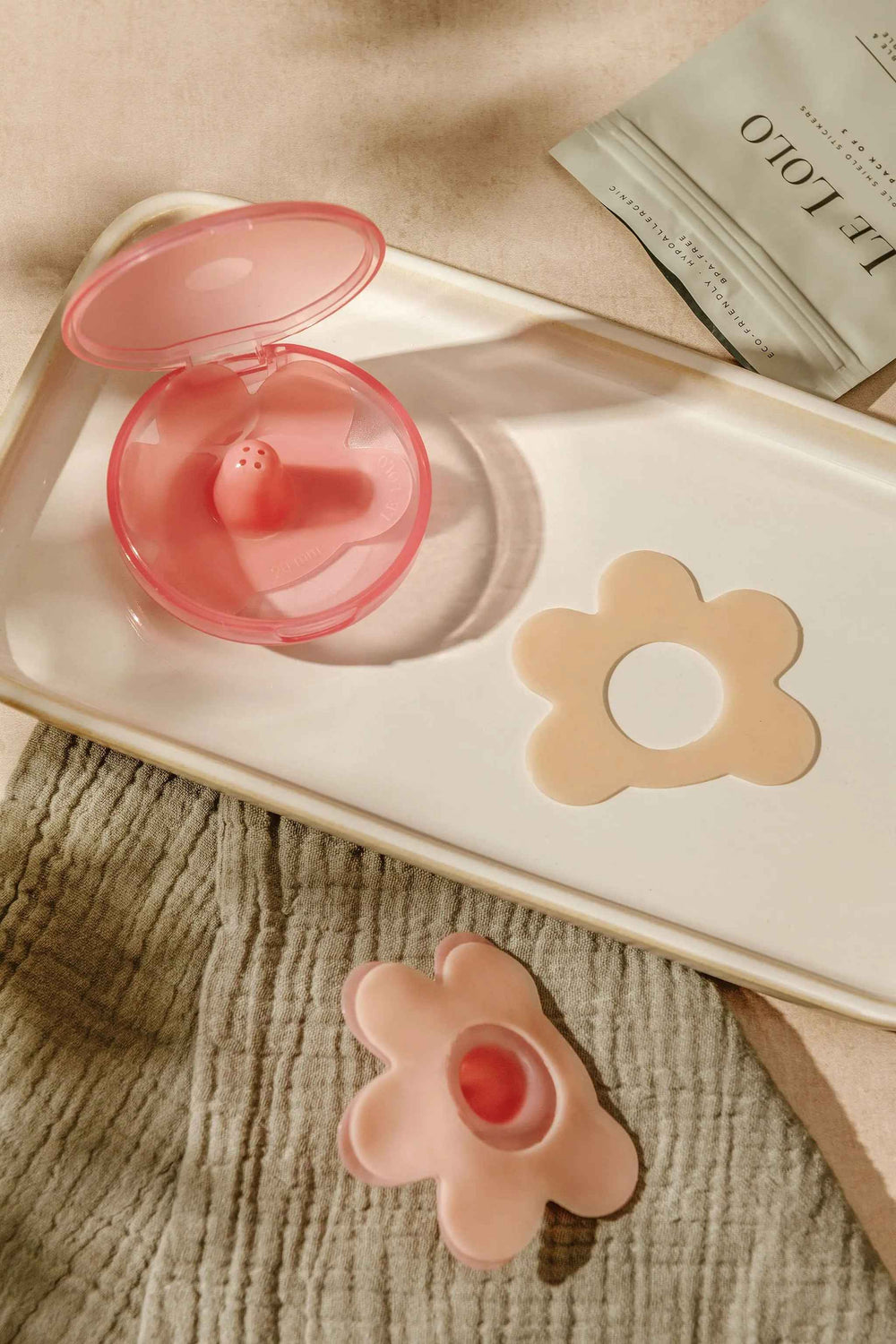
A nipple shield is a thin, flexible silicone cover that fits over the nipple and part of the areola during breastfeeding. It creates a gentle barrier between your nipple and your baby’s mouth while giving baby a more structured surface to latch onto.
Nipple shields are often used as a short-term breastfeeding tool when a baby is having difficulty latching, when a mom is experiencing nipple soreness, or when extra support is needed during feeding.
At Le Lolo, we created our colored nipple shields to feel a little less clinical and a little more beautiful — because breastfeeding support should still feel like care for you, too.
When Should You Use a Nipple Shield?
A nipple shield may be helpful in several breastfeeding situations. Every feeding journey is different, but moms are often introduced to nipple shields for the following reasons.
Latching Difficulties
If your baby is struggling to latch onto the breast or has trouble maintaining a latch, a nipple shield can offer a firmer, more structured surface for baby to latch onto.
This can be especially helpful in the early days while you and your baby are both learning how to breastfeed together.
Sore or Cracked Nipples
If breastfeeding has become painful due to sore, cracked, or sensitive nipples, a nipple shield may provide a protective barrier during feeds.
While a shield may help with comfort, ongoing nipple pain is often a sign that latch support is needed. If pain continues, it is best to reach out to an IBCLC or healthcare provider.
Flat or Inverted Nipples
Some babies have a harder time latching when nipples are flat or inverted. A nipple shield can help create a more defined shape, making it easier for baby to latch and begin feeding.
Premature Babies
Premature babies may have a smaller mouth, lower stamina, or underdeveloped suck reflex. In some cases, a nipple shield can help make breastfeeding more manageable while baby continues to grow stronger.
Babies With a Tongue Tie
A tongue tie can sometimes limit a baby’s tongue movement, making it harder to achieve a deep and effective latch. A nipple shield may help by creating a longer, firmer surface for baby to latch onto and suck from.
If you suspect a tongue tie, it is important to work with a lactation consultant, pediatrician, or trained provider for proper evaluation and support.
When Not to Use a Nipple Shield Without Support
A nipple shield can be a helpful tool, but it is not meant to replace personalized feeding support.
It is best to reach out to an IBCLC, lactation consultant, pediatrician, or healthcare provider if:
Your baby is not gaining weight as expected.
Your baby has fewer wet or dirty diapers than expected.
Your baby seems frustrated, sleepy, or unsatisfied after feeds.
Breastfeeding continues to feel painful.
You are worried your baby is not transferring enough milk.
You feel unsure about your baby’s latch or feeding pattern.
A nipple shield can be part of the solution, but getting the right support can help make sure your baby is feeding effectively and your milk supply is protected.
How Do You Use Nipple Shields Correctly?
Learning how to use a nipple shield can make a big difference in comfort, milk transfer, and overall feeding success.
Here is a simple step-by-step guide for using a nipple shield while breastfeeding.
Step 1: Choose the Right Size Nipple Shield
Nipple shields come in different sizes, and choosing the right fit matters.
A properly fitting nipple shield should comfortably cover your nipple and allow room for your nipple to move into the tunnel of the shield during feeding. It should not pinch, feel too tight, or restrict milk flow.
If you are unsure what size you need, measuring can help. Le Lolo offers a free measurement tool on our homepage to help you feel more confident choosing the right nipple shield size.
Step 2: Wash Your Hands and Prepare the Shield
Before each feeding, wash your hands and make sure your nipple shield is clean.
You may also express a few drops of breast milk into the tip of the shield or onto your nipple to help encourage baby to latch and begin sucking.
Step 3: Apply the Nipple Shield
Center the nipple shield over your nipple, making sure your nipple is aligned with the tunnel of the shield.
Gently smooth the shield against your breast so it feels secure. If your nipple shield has a cutout, position the cutout where your baby’s nose will touch your skin. This allows for more skin-to-skin contact during feeding, which can be comforting for both you and your baby.
Step 4: Use a Nipple Shield Sticker for Extra Support
One of the most common frustrations moms have with nipple shields is that they can shift, fall off, or get lost during feeding.
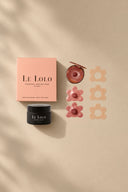
That is why Le Lolo created the Nipple Shield Sticker — a simple, reusable way to help keep your nipple shield in place.
To use it, apply the sticker to your nipple shield, then gently adhere it to your skin. This can make feeding feel less stressful, especially when you are trying to latch a hungry baby quickly.
And if you prefer not to use the sticker every time, that is okay too. Le Lolo nipple shields can also be used without the sticker.
Step 5: Help Baby Latch Deeply
Once the nipple shield is in place, bring your baby to the breast. Aim your nipple toward the roof of baby’s mouth and wait for a wide-open mouth before helping baby latch deeply.
Your baby should take in the nipple shield and a portion of the surrounding breast tissue — not just the very tip of the shield.
If baby seems hesitant, try hand-expressing a few drops of milk onto the shield to encourage feeding.
Step 6: Watch for Milk Transfer
While using a nipple shield, pay attention to signs that your baby is feeding well.
You may notice steady sucking, swallowing sounds, relaxed hands, and a satisfied baby after feeding. Wet and dirty diapers are also important signs that baby is getting enough milk.
If you are unsure whether your baby is transferring milk effectively, reach out to a lactation consultant or healthcare provider. They can help assess latch, milk transfer, and whether the nipple shield is being used in the best way for your feeding goals.
How Do I Know If My Baby Is Getting Enough Milk With a Nipple Shield?
One of the most important parts of breastfeeding with a nipple shield is making sure your baby is transferring milk well.
Signs your baby may be getting enough milk include:
Steady sucking during the feed.
Audible swallowing.
Relaxed hands and body after feeding.
A softer breast after nursing.
Age-appropriate wet and dirty diapers.
Baby seems satisfied after feeding.
Baby is gaining weight as expected.
Signs your baby may need additional support include:
Falling asleep quickly at the breast.
Seeming frustrated during feeds.
Feeding for long periods without seeming satisfied.
Fewer wet or dirty diapers.
Poor weight gain.
Clicking, slipping, or shallow latch.
If you notice any of these signs, an IBCLC or healthcare provider can help you check baby’s latch, milk transfer, and feeding plan.
How to Clean a Nipple Shield
Keeping your nipple shield clean is important, especially because it goes directly in your baby’s mouth.
After each feeding, wash your nipple shield with warm water and mild soap. Rinse well and allow it to air dry completely before placing it in a clean case.
Follow the care instructions that come with your specific nipple shield, and replace it if it becomes damaged, cloudy, sticky, torn, or worn.
A clean, dry storage case can also help keep your nipple shield easy to find between feeds.
How Long Should You Use a Nipple Shield?
Nipple shields are often used as a temporary breastfeeding tool, but every mom and baby are different. Some babies only need a shield for a short time, while others use one longer with guidance from a lactation professional.
If your goal is to eventually wean off the nipple shield, an IBCLC can help you create a plan that feels gentle and realistic.
The most important thing to remember is this: using a nipple shield does not mean you are doing anything wrong. It means you are finding support that helps you and your baby feed.
Can You Use a Nipple Shield With a Sticker?
Yes. A nipple shield can be used with a sticker if you want extra support keeping it in place.
Le Lolo’s first-of-its-kind reusable Nipple Shield Sticker was designed to help reduce one of the biggest frustrations moms have with nipple shields: slipping, shifting, or falling off during feeds.
The sticker can be especially helpful when:
You are trying to latch a hungry baby quickly.
Your shield keeps moving before baby latches.
You are feeding outside the home.
You want extra support during night feeds.
You feel frustrated trying to hold the shield in place.
The sticker is optional, and Le Lolo nipple shields can also be used without it.
Tips for Using Nipple Shields
Here are a few helpful tips to make nipple shield use easier:
Make sure you are using the correct nipple shield size.
Wash your hands before applying the shield.
Center your nipple in the tunnel of the shield.
Use a few drops of breast milk to encourage baby to latch.
Position the cutout near baby’s nose for more skin-to-skin contact.
Help baby latch deeply onto both the shield and breast tissue.
Watch for swallowing and signs of milk transfer.
Clean your shield after each use.
Store your shield in a clean, dry case.
Reach out for lactation support if feeding feels painful or ineffective.
Why Moms Love Le Lolo Nipple Shields
Traditional nipple shields can feel sterile, easy to misplace, and frustrating to keep in place. Le Lolo nipple shields were designed to make this part of breastfeeding feel a little more beautiful and a lot more supported.
Our colored nipple shields are easy to spot, thoughtfully designed, and made to help moms feel more confident during feeding. Paired with our reusable Nipple Shield Sticker, they offer extra support for moms who are tired of shields slipping, shifting, or falling off mid-feed.
Because you deserve breastfeeding tools that care for you, too.
Final Thoughts: How Do You Use Nipple Shields With Confidence?
So, how do you use nipple shields successfully?
Start by choosing the right size, placing the shield correctly, helping baby latch deeply, and watching for signs that milk is transferring well. A nipple shield can be a helpful tool for latch challenges, nipple soreness, premature babies, flat or inverted nipples, or certain oral restrictions like tongue tie.
Most importantly, you do not have to figure it out alone. If breastfeeding feels painful, stressful, or confusing, reach out to an IBCLC, lactation consultant, or trusted healthcare provider for personalized support.
Breastfeeding is not always easy, but with the right tools and support, it can feel more manageable, more comfortable, and more connected.
Frequently Asked Questions About Nipple Shields
How do you use nipple shields for breastfeeding?
To use a nipple shield, choose the correct size, center it over your nipple, smooth it onto your breast, and help your baby latch deeply onto both the shield and breast tissue. Watch for swallowing and signs that your baby is transferring milk well.
Can nipple shields help with latch problems?
Yes, nipple shields can sometimes help babies who are struggling to latch by providing a firmer and more structured surface. If latch problems continue, it is best to work with a lactation consultant.
Can I use a nipple shield if my nipples are sore?
A nipple shield may help protect sore or cracked nipples during feeding, but nipple pain often means there may be an underlying latch issue. If pain continues, seek support from an IBCLC or healthcare provider.
Do nipple shields affect milk supply?
Nipple shields can be helpful, but it is important to make sure your baby is transferring milk effectively. If milk transfer is poor, it may impact supply over time. A lactation consultant can help you monitor feeding and supply.
How do I know if my baby is getting milk through a nipple shield?
Look for steady sucking, swallowing sounds, relaxed hands, a softer breast after feeding, wet and dirty diapers, and steady weight gain. If you are unsure, reach out to a lactation consultant for support.
How do you clean a nipple shield?
After each use, wash your nipple shield with warm water and mild soap. Rinse well, air dry completely, and store it in a clean case. Replace it if it becomes damaged, sticky, cloudy, torn, or worn.
Can I use the Le Lolo Nipple Shield without the sticker?
Yes. Le Lolo nipple shields can be used with or without the Nipple Shield Sticker. The sticker is designed to provide extra support and help keep the shield in place, but it is not required for every feeding.
How long should you use a nipple shield?
Every breastfeeding journey is different. Some moms use a nipple shield briefly, while others use one longer with lactation support. If your goal is to stop using a shield, an IBCLC can help create a gentle weaning plan.

Shop This Solution
Need a little extra support with latch?
A nipple shield can be a temporary tool for some latch challenges. Use it with lactation guidance so you can monitor comfort, milk transfer, and supply.
Shop the Nipple Shield Set →


