


Breastfeeding pain is real. Why nipples hurt when breastfeeding is a question many new mothers face as they start their breastfeeding journey. Nipple pain is common, but it can make feeding stressful and uncomfortable, impacting both mother and baby. Understanding the reasons behind this pain and effective ways to care for sore nipples is essential in maintaining a positive breastfeeding experience. In this article, we'll explore the most frequent causes of nipple pain during breastfeeding and how specially designed hydrogel pads can provide soothing relief and promote healing.
*We always recommend guidance from a lactation professional when nipple pain arises and when using a nipple shield to help ensure proper fit and effective use.
Why Nipples Hurt When Breastfeeding: Understanding the Root Causes
Improper Latch and Positioning
One of the leading causes of nipple pain is an improper latch. If the baby does not take enough of the breast into their mouth or the nipple is placed too shallowly, the nipple can become compressed or pinched between the tongue and the roof of the mouth. This “shallow latch” results in soreness, cracks, or even bleeding.
Also, incorrect positioning while breastfeeding, such as the baby’s head angled awkwardly or poor body alignment, can increase nipple discomfort. Ensuring a deep latch with the baby’s mouth wide open, lips flanged outward, and chin touching the breast helps protect the nipple from damage.
Physical Factors Affecting Nipple Sensitivity
Physical contributors such as flat or inverted nipples can make it difficult for the baby to latch properly, often leading to sore nipples. Additionally, breast engorgement or swelling after milk “comes in” may flatten the nipple and increase discomfort. Conditions like tongue-tie, where the baby's tongue movement is restricted, can also prevent effective latch.
Common Conditions That Cause Nipple Pain
Skin Damage and Infection
Repeated friction or trauma during breastfeeding can cause cracked or blistered nipples, which are painful and vulnerable to infection. Infections like thrush (a yeast infection) or bacterial infections can exacerbate nipple pain and require medical attention to resolve.
Vasospasm and Other Circulatory Issues
Nipple vasospasm, where blood vessels constrict causing a sharp, shooting pain often triggered by exposure to cold or poor latch, can also be a cause of discomfort. This condition might feel like burning or pins and needles and is usually temporary but can affect breastfeeding comfort.
Effective Breastfeeding Techniques to Reduce Nipple Pain
Proper Latch and Positioning Tips
- Encourage your baby to open their mouth wide before latching.
- Bring your baby close, aiming for their chin and lower jaw to make contact first.
- Use breastfeeding positions such as the cradle, football hold, or laid-back positions to find what’s most comfortable and helps deeper latch.
- Ensure your baby’s body is aligned – head, neck, and spine in a straight line.
- Break suction gently before removing baby to avoid trauma.
Additional Care Practices
Changing feeding positions regularly helps vary pressure areas on the nipples and promotes healing. Expressing a small amount of milk before feeding may soften the nipple, easing latch. Avoid soaps or lotions that can dry the nipples, and allow them to air dry after feeds to reduce irritation.
How Colored Nipple Shields Support Breastfeeding
What Are Colored Nipple Shields?
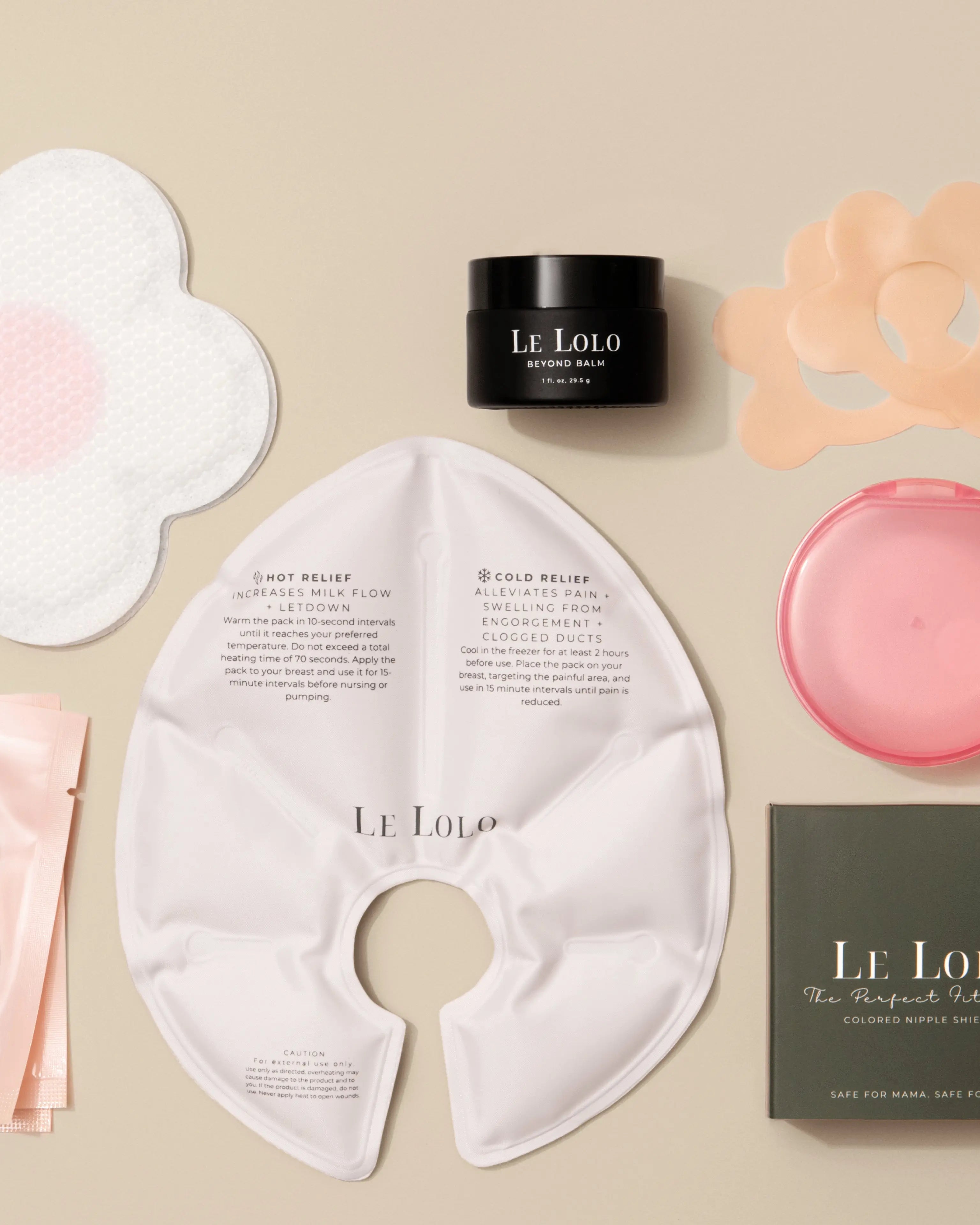
Colored nipple shields are thin, flexible silicone covers designed to be worn over the nipple during breastfeeding. They help babies latch more effectively while still allowing skin-to-skin contact. The soft, medical-grade silicone is shaped to mimic the natural nipple and allows milk to flow through small openings during feeding.
Our colored nipple shields offer the same trusted function as traditional shields, with the added benefit of a softer, more comforting aesthetic—because even practical postpartum tools can feel gentle and thoughtful.
Benefits of Colored Nipple Shields for Breastfeeding Mothers
- Support latch for babies who are struggling due to prematurity, oral ties, or early feeding challenges.
- Reduce discomfort by creating a protective barrier over sensitive or healing nipples.
- Allow breastfeeding to continue while nipples rest and recover.
- Made from soft, flexible silicone that feels comfortable against the skin.
- The subtle color helps the shield feel less clinical and more like a supportive accessory during an emotional season.
For mothers navigating early breastfeeding challenges, nipple shields can be a helpful, temporary tool—offering support, confidence, and reassurance while you and your baby learn together.
How Hydrogel Pads Provide Relief and Support Healing
What Are Hydrogel Pads?
Hydrogel pads are thin, soft dressings made from a water-based gel that creates a moist healing environment. They are designed to soothe and protect sore nipples by providing a cooling effect and acting as a barrier against friction from clothing or nursing bras.
Benefits of Hydrogel Pads for Breastfeeding Mothers
- Provide cooling relief that calms irritated and inflamed nipple tissue.
- Maintain moisture, which promotes faster healing of cracks and wounds.
- Protect nipples from further damage by reducing friction and contact with fabrics.
- Allow mothers to continue breastfeeding without adding ointments that may need to be wiped off.
For mothers seeking gentle relief, using hydrogel nipple pads can be an excellent complement to proper breastfeeding techniques and other nipple care products.
Choosing the Right Nipple Care Products
Considerations When Selecting Products
Not all nipple care products are created equal. When choosing a nipple care product, consider the following:
- Safety for both mother and baby—avoid products with strong fragrances or ingredients that might cause allergic reactions.
- Ease of use—products that make your routine and life easier are key.
- Effectiveness in moisturizing and protecting sensitive skin without interfering with breastfeeding.
When to Seek Professional Help
Signs That Need Attention
If nipple pain continues despite proper latch and nipple care, or if symptoms like persistent cracking, bleeding, swelling, pus, or fever develop, it is crucial to consult a healthcare provider or lactation consultant. They can evaluate for infections, tongue-tie, or other conditions requiring intervention.
Support Resources
Breastfeeding support groups and certified lactation consultants offer valuable guidance tailored to individual circumstances. Early support helps prevent nipple pain from becoming a barrier to successful breastfeeding.
Understanding why nipples hurt when breastfeeding helps mothers address the causes rather than just the symptoms. Proper latch, positioning, gentle nipple care, and the use of soothing products like hydrogel pads can significantly ease discomfort and support healing. If you’re experiencing nipple pain, don’t hesitate to explore effective Le Lolo's solutions designed to nurture and protect sensitive skin during this important time. Remember, with the right care and support, most nipple pain can be managed successfully to maintain a positive breastfeeding journey.


