
More Support for Your Motherhood Journey


What Belongs in a Breastfeeding Starter Kit (and What Does Not)
A breastfeeding starter kit is worth buying only when the contents match what you will actually use. Here are the six things that belong in one, and the real cost of building your own versus buying a set.
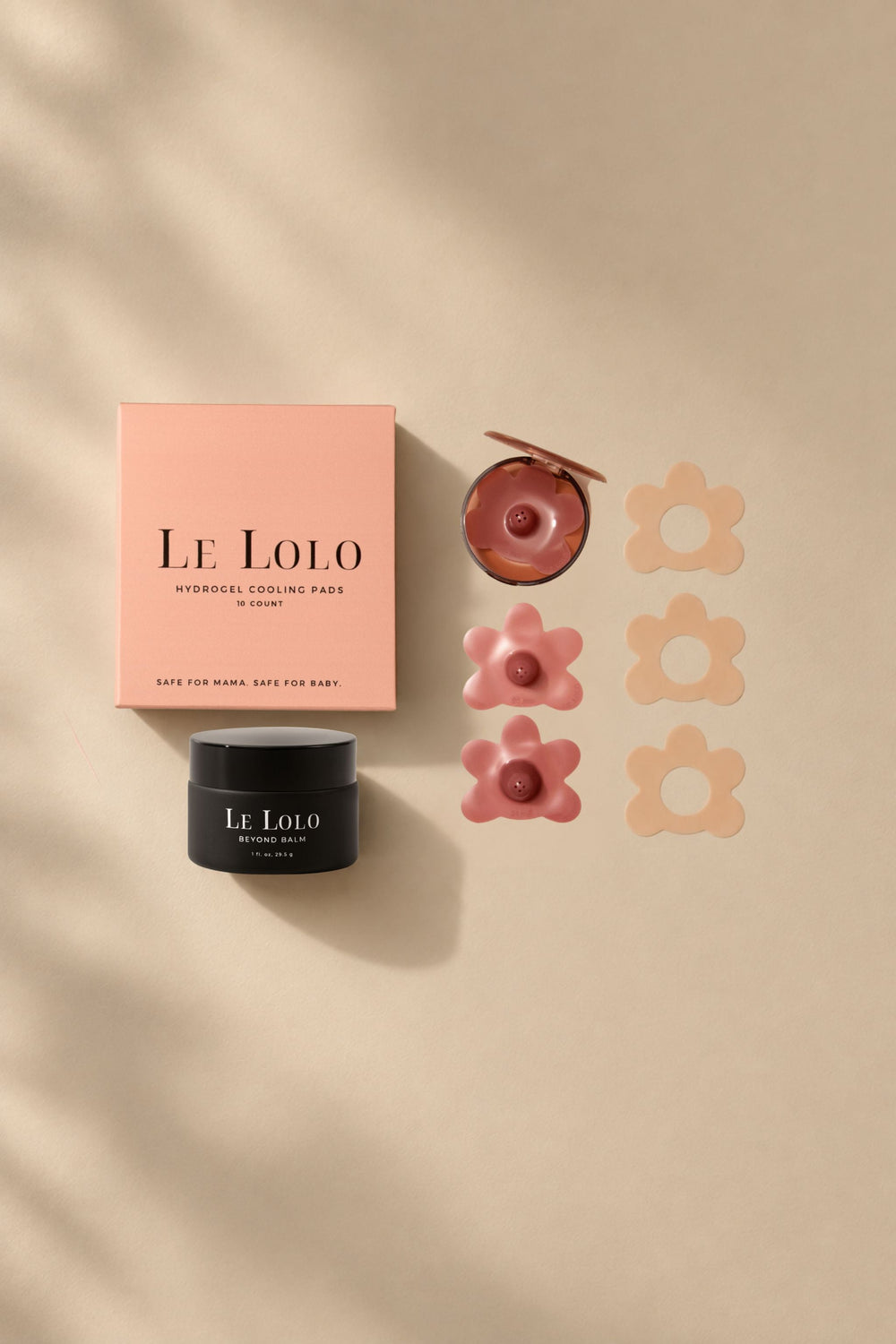
A breastfeeding starter kit is only worth buying if the things inside it are things you would have bought anyway. That sounds obvious. It is also the reason so many pre-made kits disappoint, because they are assembled to hit a price point and fill a box, not to match what a nursing mom reaches for in week three.
We sell kits. We also sell every piece individually, which puts us in an unusual position to answer the question honestly: when is a kit the better buy, and when should you just assemble your own? Here is the real math, and the list of what actually belongs in one.
What should be in a breastfeeding starter kit?
Six things. Everything past this is a preference rather than a requirement.
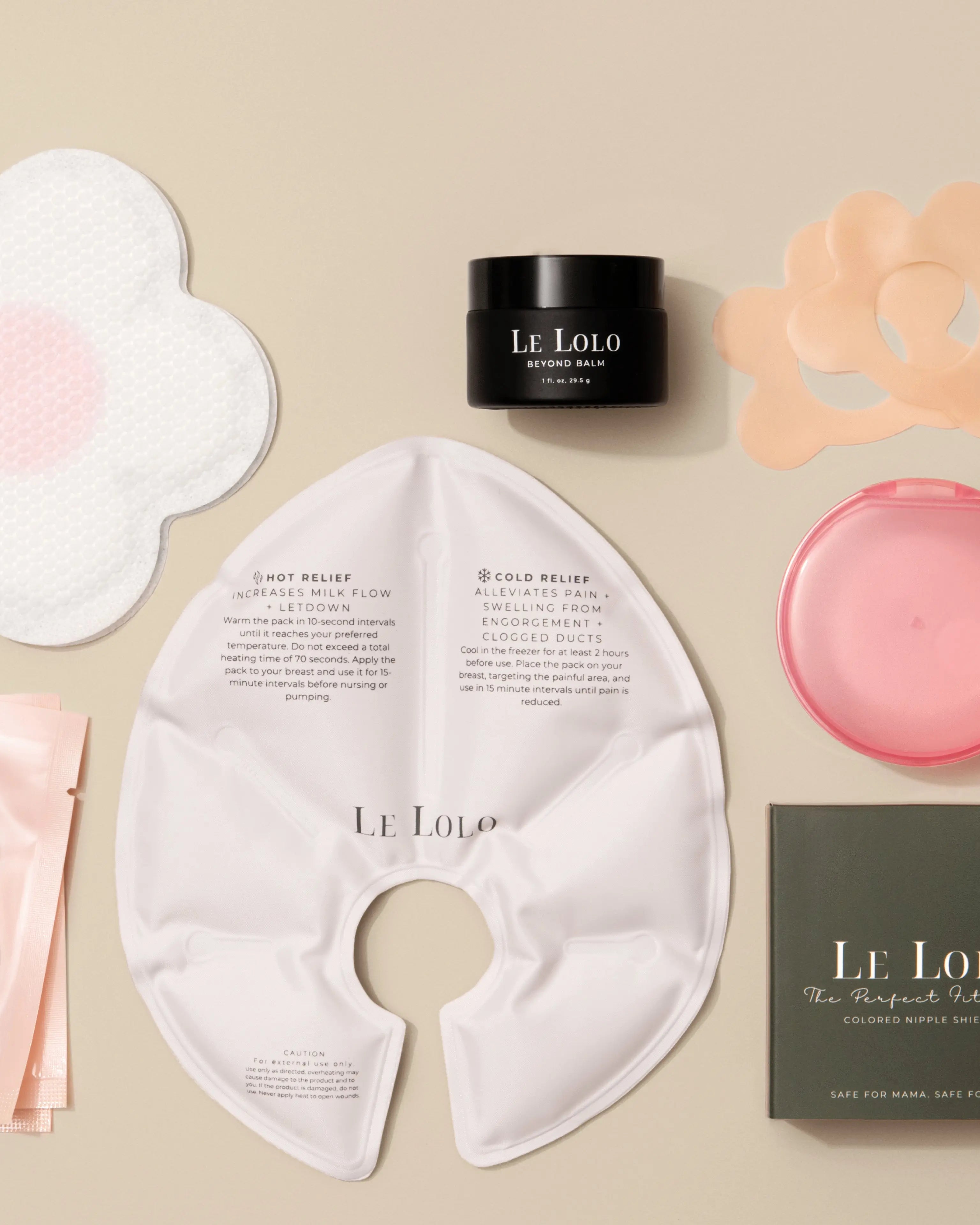
1. Nipple balm. The most used item in the early weeks. Some tenderness while your latch settles is common (Office on Women's Health), and balm is more useful as prevention than as rescue. A lanolin free formula matters more than people expect, because lanolin generally needs wiping off before a feed and you will be feeding roughly 8 to 12 times in 24 hours (HealthyChildren.org). Our Beyond Balm is organic and safe for baby, so it stays on.
2. Nursing pads. The item most people underbuy. Leaking peaks in the early weeks while supply calibrates, then settles (Office on Women's Health). Plan for 10 to 16 disposables a day at the peak. That is lower than the counts on most lists because ours hold up to three times more than traditional disposables. A lot of moms move to reusables around month three once leaking calms down.
3. Something for engorgement. Fullness that goes past uncomfortable is near universal in the week your milk comes in, which is usually day two to five (Office on Women's Health). Hot and cold breast therapy packs cover both directions, and a lactation massager helps move milk through a breast that is not draining evenly.
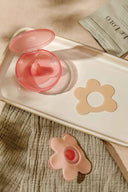
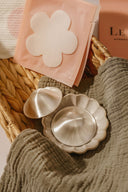
4. Something for nipple healing, separate from balm. Balm soothes. Damaged skin needs more. Hydrogel cooling pads cool on contact between feeds. 999 silver nursing cups work on a different principle. We compared the two in hydrogel breast pads versus silver cups if you are choosing between them.
5. A way to keep track. By week three, remembering which side you fed on last becomes genuinely impossible. A breastfeeding reminder scrunchie at eight dollars does it, and a postpartum journal with a daily tracker does it while giving you somewhere to put everything else.
6. A water bottle you can open with one hand. Breastfeeding raises both fluid and calorie needs meaningfully (CDC). A large water bottle is worth more than it sounds.
What does not belong in a starter kit?
A breast pump. Marketplace health plans are required to cover breastfeeding support, counseling and equipment, which generally includes a pump (HealthCare.gov). Call your insurer before you spend anything. A kit that bundles a cheap pump is charging you for something you were entitled to.
Supply supplements. Sunflower lecithin or choline is genuinely useful if you get recurring clogged ducts, but it is a response to a problem rather than a starting item. Including it by default sets an expectation that something will go wrong.
Bottles, and anything sized to your body. Bottles depend on decisions you have not made yet. Bras and clothing need trying on, and your measurements will change when your milk comes in.
Should you build your own or buy a kit?
Here is the honest arithmetic, using our own individual prices.
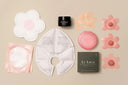
A lean starter kit assembled piece by piece looks like this: nipple balm at $14, a pack of disposable nursing pads at $10, hydrogel cooling pads at $18, hot and cold therapy packs at $16, and a reminder scrunchie at $8. That comes to $66 for the five things you will use most.
Add a lactation massager at $44 instead of the therapy packs and you are around $110.
So the decision comes down to three questions.
Build your own if you already own some of it, you have a specific preference about one item, you want to spread the cost across a few months, or you are buying for yourself and can reorder easily. Most moms who already know their way around this end up building their own, because they know which two things they actually run out of.
Buy a kit if you are buying as a gift and do not want to guess, you want it to arrive as one thing rather than six deliveries, you are setting up before a first baby and have no basis for preference yet, or the bundle price is below the sum of its parts. Our Essentials Breastfeeding Set and Luxe Breastfeeding Set both sit in that territory, and the Sample Pack at $30 is a cheaper way to find out what you like before committing to full sizes.
Do neither, yet, if you are more than a month from your due date and tempted to buy everything at once. Almost nothing here is hard to get in two days, and your body will tell you a great deal in the first fortnight that no list can predict.
What is the difference between a starter kit and a hospital bag?
They overlap but they are not the same, and conflating them is how people overpack.
A hospital bag is for a two to four day stay in a building that is already stocked with pads, mesh underwear, peri bottles, and a lactation consultant. You mostly need your own balm, a couple of nursing bras, water, snacks and a phone charger.
A starter kit is for home, for the weeks after, when nobody is bringing you supplies and your milk has actually come in. That is when nursing pads, engorgement relief and nipple healing start to matter, and none of those are week one items.
If you want the fuller picture of how the timing works, our breastfeeding essentials guide breaks it down by week.
When should you buy one?
Around 36 weeks is a sensible target. Early enough that it is in the house if the baby comes early, late enough that you are not storing it for months.
Buy the basics only. The full version of your kit should get finished in week two, when you know whether you are leaking heavily, whether you are getting engorged, and whether your skin is holding up. Those three answers determine most of what you actually need, and none of them are knowable in advance.
Common questions
Are pre-made breastfeeding starter kits worth it?
Worth it when the contents match what you will use and the bundle costs less than the parts. Not worth it when they are padded with a random size nipple shield, a cheap pump, or items you will never open. Compare the contents against the six item list above before you buy.
How much should a breastfeeding starter kit cost?
Assembled from individual pieces, a lean one runs around $65 to $100. Our Essentials Breastfeeding Set can be purchased with HSA/FSA funds. Bundles should cost less than the sum of their parts to be worth it. Anything past a couple of hundred is usually including a pump or a large accessory, which is a different purchase.
What is the one thing most starter kits get wrong?
Nursing pad quantity. Kits include a token pack, and moms run out in the first few days. Buy pads separately and in volume regardless of what else you do.
Do I need a starter kit if I am not sure I will breastfeed?
Buy small.. Everything else can wait until you know how feeding is going, and feeding goes in a lot of different directions.
Should I get a kit as a gift for someone?
Kits are better as gifts than as self purchases, because the whole problem a kit solves is not knowing what to choose. Gift cards are amazing too!.
When will I know what I actually need?
Around day 10 to 14. That is when your milk has come in, leaking has shown you its pattern, and you know whether the latch is comfortable. Buy the basics before, finish the kit then.
We always recommend working with a lactation professional on fit and latch, particularly if you are considering a nipple shield. If feeding is painful, or your baby is not gaining as expected, please reach out to an IBCLC or your healthcare provider. We are always happy to help with product questions.

Sources
-
Office on Women's Health. "Common questions about breastfeeding and pain." https://womenshealth.gov/its-only-natural/overcoming-challenges/common-questions-about-breastfeeding-and-pain
-
Office on Women's Health. "Common Breastfeeding Challenges." https://womenshealth.gov/breastfeeding/breastfeeding-challenges/common-breastfeeding-challenges
-
Office on Women's Health. "Making Breastmilk." https://womenshealth.gov/breastfeeding/learning-breastfeed/making-breastmilk
-
American Academy of Pediatrics, HealthyChildren.org. "How Often to Breastfeed." https://www.healthychildren.org/English/ages-stages/baby/breastfeeding/Pages/How-Often-to-Breastfeed.aspx
-
Centers for Disease Control and Prevention. "Maternal Diet and Breastfeeding." https://www.cdc.gov/breastfeeding-special-circumstances/hcp/diet-micronutrients/maternal-diet.html
-
HealthCare.gov. "Breastfeeding benefits." https://www.healthcare.gov/coverage/breast-feeding-benefits/


